Introduction
Standard thyroid screening in many countries reduces to a single marker — thyroid-stimulating hormone (TSH). Convenient for population screening, dangerous for an individual symptomatic patient. TSH is a pituitary hormone, not a thyroid hormone. It reflects not thyroid function directly, but the negative feedback of the hypothalamic-pituitary-thyroid (HPT) axis.
When a symptomatic patient is told "your TSH is normal" and dismissed, that is not clinical medicine — that is screening logic applied at the wrong layer. This article breaks down what TSH actually measures, where it lies, and what panel I consider the minimum sufficient set for a treatment decision.
🌀
What TSH Measures: HPT Axis and Feedback Inertia
TSH is synthesized by thyrotrophs of the anterior pituitary under control of hypothalamic thyrotropin-releasing hormone (TRH). Low circulating free T4 → TRH ↑ → TSH ↑. This is negative feedback along the hypothalamus → pituitary → thyroid loop.
A key property of this loop is inertia. TSH responds not to acute changes in function, but to chronic imbalance spanning weeks to months. Acute states — stress, infection, fasting, early pregnancy — shift TSH without changing thyroid function. Conversely, early Hashimoto thyroiditis may show normal TSH with already elevated antibodies and ongoing tissue destruction (Hennessey, PMID 30339068).
The principled consequence: TSH is a late marker. It reports the result of accumulated dysfunction, not its cause or its onset.
🌀
The Narrow Range: 2.5 vs 4.0
Lab reference ranges of 0.4–4.0 mIU/L are wide population intervals, calculated on mixed cohorts. The problem: these cohorts traditionally included undiagnosed subclinical hypothyroidism patients and anti-TPO carriers — which artificially elevated the upper bound.
When anti-TPO carriers and ultrasound-confirmed thyroiditis are excluded from the reference population, the upper bound shifts to 2.5 mIU/L. This is the position of the National Academy of Clinical Biochemistry (NACB) and successive ATA revisions (Wartofsky & Dickey, PMID 16148345).
| Category | TSH, mIU/L |
|---|---|
| Population reference | 0.4–4.0 |
| Narrow upper bound (anti-TPO excluded) | ≤ 2.5 |
| Subclinical hypothyroidism (with symptoms) | 2.6–4.0 |
| First-trimester pregnancy | < 2.5 |
Clinical consequences:
▸TSH 2.6–4.0 mIU/L with symptoms = subclinical hypothyroidism, not "normal" ▸TSH > 2.5 in first-trimester pregnancy = consideration for treatment (fetal neurodevelopment risk) ▸TSH > 2.5 while planning pregnancy = grounds for full workup, not waiting until 4.0
🌀
When TSH Lies: Six Classes of Distortion
This is the practically important part. TSH can read "normal" when the thyroid is in fact dysfunctional — and vice versa.
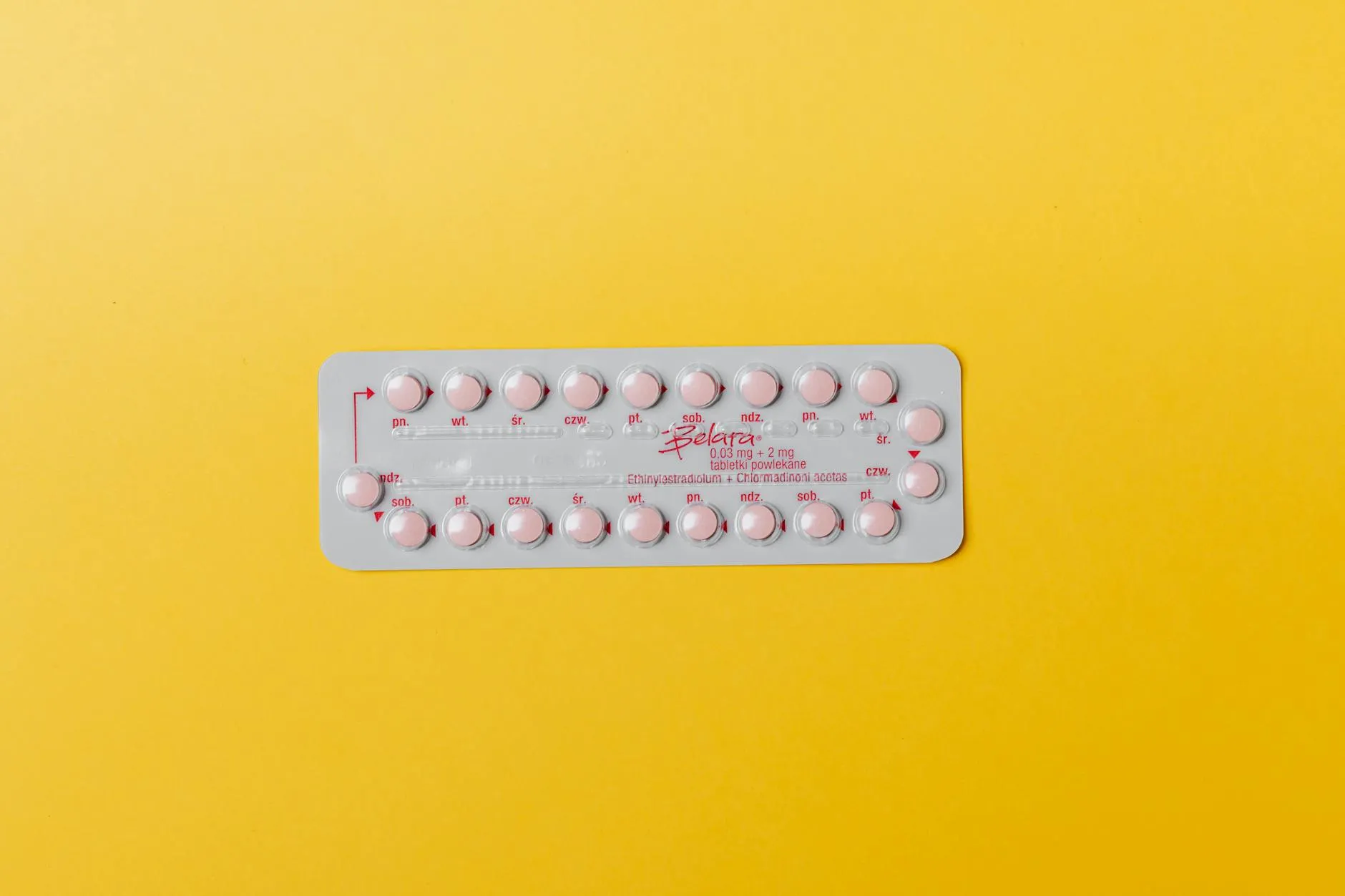
▸Non-thyroidal illness syndrome (NTI / euthyroid sick syndrome) — severe systemic illness, sepsis, major trauma can suppress TSH while conversion is impaired and fT3 is low. Standard reference ranges do not apply. ▸Estrogens and oral contraceptives — raise thyroid-binding globulin (TBG), shift the balance of free and bound fractions, can produce a reassuringly normal number despite tissue-level deficit. ▸Thyroid hormone resistance (RTH) — rare but real, with normal or elevated TSH alongside high fT3/fT4. Without an expanded panel, this is missed entirely. ▸Interfering medications: biotin (>5 mg/day) — falsely low TSH on immunoassays; corticosteroids, lithium, amiodarone, dopamine, metformin — each distorts results differently. ▸Isolated pituitary dysfunction (central hypothyroidism) — low or normal TSH with low fT4. Single-marker TSH will miss the diagnosis. ▸Circadian rhythm: TSH is 30–50% higher in the morning. A 2 PM draw and an 8 AM draw give different numbers in the same patient.
Any of these situations turns a "normal TSH" into deceptive zero information.
🌀
What Single-TSH Misses
By ordering TSH alone, a clinician systematically misses the following data layers:
▸Anti-TPO and anti-Tg antibodies — markers of autoimmune destruction that may precede TSH shift by years ▸Free T4 and free T3 — what is actually available to tissues ▸Thyroid ultrasound — nodules, hypoechogenicity (Hashimoto pattern), vascular pattern ▸Cofactors of synthesis and conversion: ferritin, selenium, zinc, vitamin D, B12, homocysteine ▸Symptom profile and basal temperature — the clinical layer without which the lab "floats in air"
Particularly dangerous: missing low fT3 with normal TSH and fT4 — the classic picture of impaired T4 → T3 conversion, where TSH does not react because T4 is normal. This is thyroid "functional hypothyroidism" — a state where the patient complains of fatigue, hair loss, cold extremities, and the lab is "normal".
🌀
Full Panel: Minimum Diagnostic Set
What I consider the minimum sufficient panel for initial thyroid evaluation in a symptomatic adult:
▸Hormones: TSH + free T4 + free T3 (always as a trio, not individually) ▸Antibodies: anti-TPO + anti-Tg (even once — determines management trajectory) ▸Imaging: thyroid ultrasound with echogenicity, nodules, vascular pattern ▸Cofactors: ferritin, selenium (red blood cell, not serum), zinc, copper (zinc:copper ratio) ▸Context: 25(OH) vitamin D, B12, homocysteine, total protein, liver enzymes ▸Symptom profile: questionnaire + basal morning temperature (3–5 days), resting heart rate
With a tight budget, priority order: TSH + fT4 + fT3 + anti-TPO + ferritin + vitamin D. Six items that close 80% of clinical decisions.
Detailed breakdown of cofactors and why ferritin 70–100 is the clinical minimum: Ferritin, liver and iron.
🌀
Decision Principle
The decision to start thyroid therapy must not rest on a single lab value without assessment of symptoms, antibodies, and ultrasound. This is the position of the American Thyroid Association and the Endocrine Society in updated clinical guidelines (Garber et al., AACE/ATA Hypothyroidism Guidelines, PMID 25266247).
In practice this means:
1. Symptoms + full panel + ultrasound — assemble the picture 2. Reconcile clinic with lab: where they match, where they diverge 3. Find the source of divergence: cofactors, conversion, pituitary level, interferents 4. Decide on therapy only after integrating all three data layers
If natural desiccated thyroid (NDT) or T4 monotherapy is on the table — Natural desiccated thyroid (NDT) covers the form choice. For high antibodies and active autoimmune thyroiditis — Low-dose naltrexone (LDN) as immunomodulation.
🌀
Monitoring and Reassessment
After any protocol change — therapy initiation, dose change, cofactor addition — reassess at 6–8 weeks for TSH and 8–12 weeks for antibodies. Earlier — TSH has not yet caught up due to feedback inertia, antibodies have not shifted yet.
▸Stable picture: monitor every 6 months ▸Active autoimmune thyroiditis or dose titration: every 8 weeks ▸Pregnancy: every 4 weeks in first trimester, then per protocol ▸After acute illness: do not retest within 4–6 weeks of recovery (avoid NTI pattern)
Seasonality: patients with autoimmune thyroiditis often have winter worsening (low vitamin D, low sun exposure, higher inflammation). If reassessment falls in January–February — that is not grounds for immediate dose change, that is grounds to check vitamin D and cofactors.
🌀
Caution and Limitations
▸Pregnancy — a separate regime. Trimester-specific reference ranges, risks of both hypo- and hyperthyroidism. Self-directed dose changes are unsafe. ▸Biotin — discontinue at least 72 hours before TSH/fT3/fT4 testing. This is the cause of many "paradoxical" results. ▸Amiodarone, lithium, corticosteroids — chronic use requires TSH interpretation in the context of drug and phase. ▸Thyroid nodules TI-RADS 4–5 — a separate oncologic pathway (fine-needle aspiration), not treated "by TSH". ▸Aggressive correction in elderly with coronary artery disease — risk of arrhythmia or ischemia. Start at minimum doses, titrate slowly.
This article is not a substitute for consultation. Any therapy changes — only with the treating endocrinologist who has access to full clinical context.
🌀
Bottom Line
Treat the patient, not the number. TSH is one of six to eight inputs to a clinical decision, not the final verdict. When a clinician anchors on TSH alone, they apply a population screening decision in place of an individual treatment decision — two different levels of medicine.
The correct stance: full panel + ultrasound + symptoms + cofactors → decision. Shortening this chain is not time-saving, it is loss of diagnostic precision.
🌀
About the Author
I am Dr. Vladimir Pereligyn, endocrinologist and researcher. I specialize in endocrine, metabolic, and autoimmune protocols with a holistic approach and individualized lab diagnostics. Book a consultation — universum.earth/consultation. Daily clinical breakdowns — @md_pereligyn_thyroid.
🌀
Sources
- Hennessey JV. Diagnosis and Management of Subclinical Hypothyroidism in Elderly Adults: A Review of the Literature. J Am Geriatr Soc 2018. PMID 30339068
- Wartofsky L, Dickey RA. The evidence for a narrower thyrotropin reference range is compelling. J Clin Endocrinol Metab 2005. PMID 16148345
- Garber JR et al. Clinical Practice Guidelines for Hypothyroidism in Adults: cosponsored by AACE and ATA. Endocr Pract 2012. PMID 25266247
- Alexander EK et al. 2017 Guidelines of the American Thyroid Association for Diagnosis and Management of Thyroid Disease During Pregnancy and the Postpartum. Thyroid 2017. PMID 28056690
- Jonklaas J et al. Guidelines for the Treatment of Hypothyroidism (ATA Task Force). Thyroid 2014. PMID 25266247
- Biondi B, Cooper DS. Subclinical Hyperthyroidism. N Engl J Med 2018. PMID 29924956
This article is for informational purposes only and does not replace a medical consultation. Before starting any supplements, changing medication, or undergoing diagnostic procedures, discuss the plan with your physician.
Key facts
- TSH is a pituitary hormone, not a thyroid hormone — it reflects the hypothalamic-pituitary-thyroid feedback loop, not thyroid function directly.
- TSH is a late, inertial marker responding to chronic imbalance over weeks to months; early Hashimoto can show normal TSH with elevated antibodies.
- Excluding anti-TPO carriers and confirmed thyroiditis shifts the TSH upper bound from 4.0 to 2.5 mIU/L (NACB position).
- TSH 2.6–4.0 mIU/L with symptoms is subclinical hypothyroidism, not normal; TSH > 2.5 in the first trimester warrants treatment consideration.
- Biotin >5 mg/day falsely lowers TSH on immunoassays, and TSH runs 30–50% higher in the morning than at a 2 PM draw.