Introduction: "Just in Case" Is Not a Clinical Term
L-thyroxine + OCPs to a young woman "just in case" is not treatment — it is intervention into the endocrine axis without diagnosis. This phrase is so common in practice that many patients perceive it as standard. In reality — it is an example of iatrogenesis: harm caused by medical intervention without justification.
In this article I break down a classic clinical scenario: a young woman with estrogen dominance symptoms, sleep disruption, and slightly elevated TSH receives a prescription for L-thyroxine + combined oral contraceptives (OCPs). I will show why this exact combination produces falsely low fT4 and why thyroxine is unnecessary here.
🌀
#Case
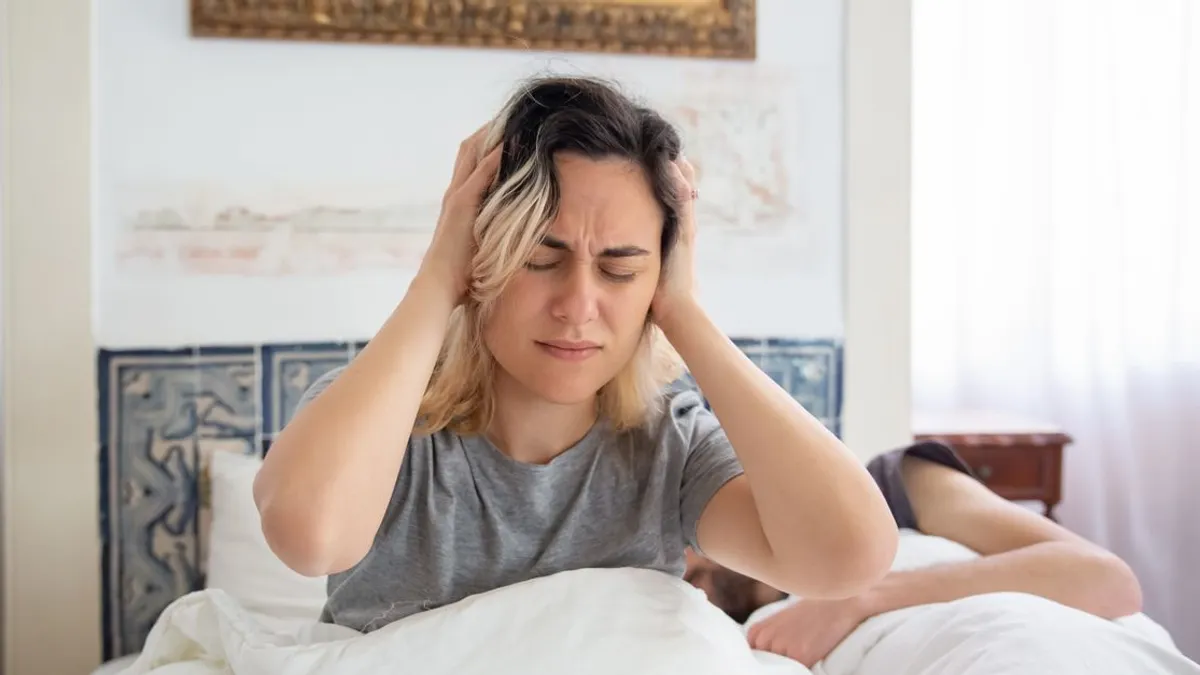
Young woman, 26:
▸Estrogen dominance symptoms (edema, PMS, painful periods, sleep disruption) ▸Mildly elevated TSH (4.2 mIU/L) ▸Anti-thyroid antibodies not checked ▸Full hormonal panel not done
Two months later the woman returns worse: fatigue, anxiety, fragmented sleep, low libido. And labs now show fT4 below normal, TSH still elevated. The standard response: "increase thyroxine dose." This is a classic trap.
🌀
#TBG_mechanism
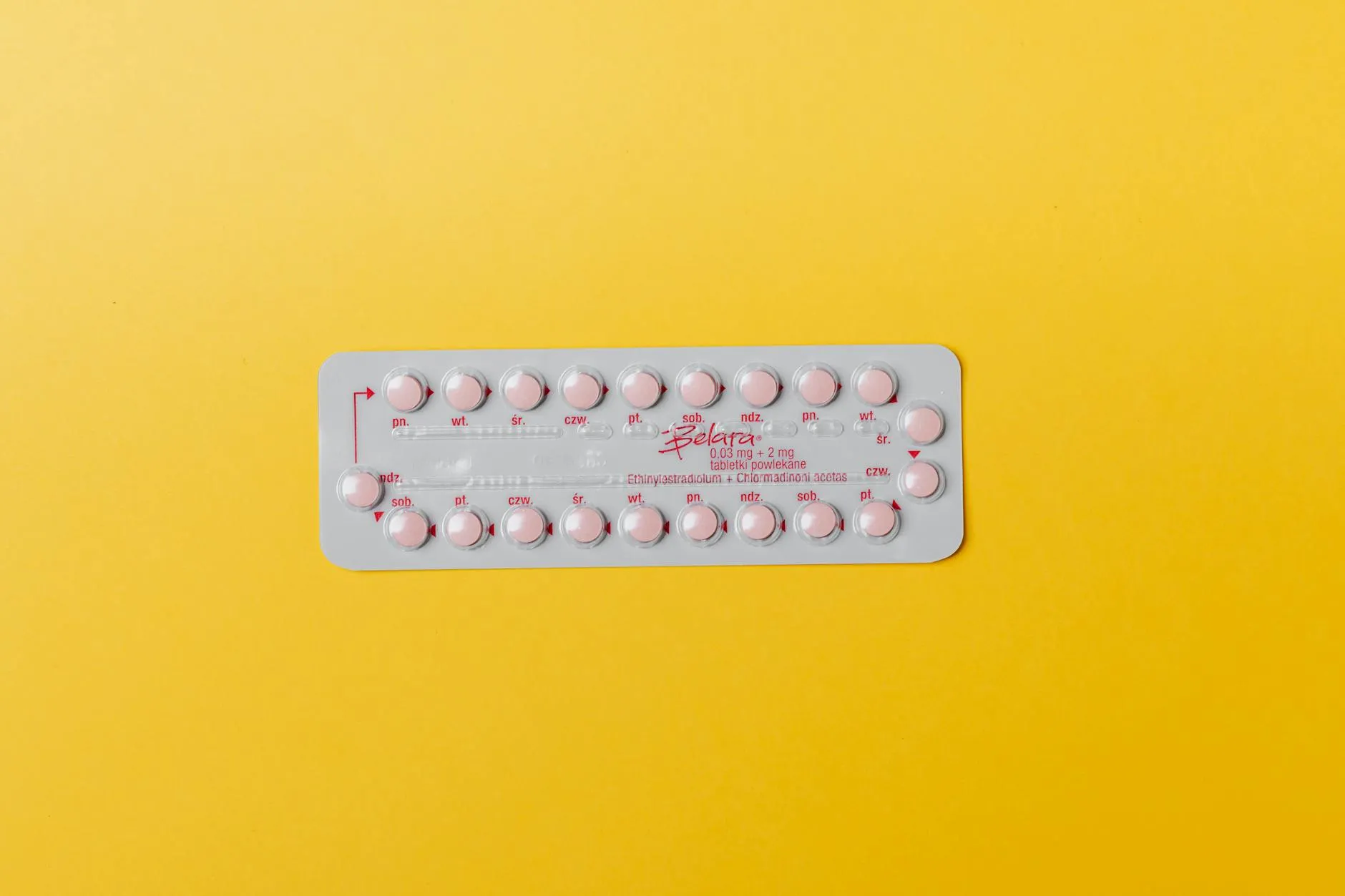
Ethinyl estradiol — the estrogen in OCPs — induces hepatic synthesis of thyroxine-binding globulin (TBG). TBG rises 1.5–2.5×. This is a known pharmacological effect.
What happens next:
1. Free T4 binds to TBG → total T4 in blood rises 2. Free T4 (fT4) falls — because more is bound 3. Pituitary perceives the fT4 drop as "thyroid insufficiency" → raises TSH
The lab shows "low fT4 + elevated TSH" — a hypothyroidism that does not exist (Arafah, PMID 11396440[1]). Biologically active hormone is sufficient. It just has more binding protein around it.
Key principle: fT4 on OCPs is an unreliable marker. Either total T4 with TBG-corrected calculation is needed, or OCP discontinuation for 6–8 weeks and retesting.
🌀
#Progestin_≠_progesterone
Additional confusion: patients often think OCPs "give progesterone" for estrogen dominance. This is marketing simplification, not biochemistry.
Synthetic progestins (levonorgestrel, drospirenone, desogestrel) do not activate the nuclear progesterone receptor like natural progesterone. Therefore:
▸No GABAergic neuroprotection (via the metabolite allopregnanolone) ▸No sleep improvement ▸No anxiety protection (Schumacher et al, PMID 26598278[2])
Natural progesterone (micronized, bioidentical) is an entirely different molecule with a different effect. OCP progestins were designed to suppress ovulation, not to replace endogenous progesterone.
🌀
#HPA_axis
OCPs suppress endogenous estradiol → feedback to pituitary disappears. Hypothalamus shuts down the reproductive axis — this is the contraceptive mechanism.
But the endocrine system does not work in isolation. When the HPG axis (hypothalamus-pituitary-gonads) is shut down, the HPA axis (hypothalamus-pituitary-adrenals) reacts:
▸Cortisol fluctuates chaotically ▸Sleep fragments (phase fragmentation) ▸Anxiety rises compensatorily
This is not OCP deficiency — it is its consequence. Treating with thyroxine or antidepressants treats the symptom, not the cause.
🌀
#What_to_do_instead
Minimally adequate diagnostics before any prescriptions:
▸Full thyroid panel: TSH + fT4 + fT3 + anti-TPO + anti-Tg (not just TSH) ▸Thyroid ultrasound — structure, nodules, signs of autoimmune thyroiditis ▸Sex hormones: estradiol, progesterone, FSH, LH on day 21 of cycle, prolactin, DHEA-S ▸Vitamins and minerals: vitamin D (25-OH), ferritin, B12, homocysteine ▸Liver: ALT, AST, GGT, bilirubin — assess estrogen detoxification ▸Only after identifying the cause — targeted therapy
This panel provides the foundation for differential diagnosis: estrogen dominance from poor liver detox? From hypothyroidism with conversion problems? From hyperprolactinemia? From luteal phase progesterone deficiency? Each scenario — its own therapy.
🌀
#Principle
"Just in case" is not a clinical term. A hormone to a young patient without confirmed diagnosis = iatrogenesis.
Endocrine Society guidelines (Jonklaas et al, PMID 25266247[3]): L-thyroxine indicated for confirmed hypothyroidism with symptoms, not for isolated elevated TSH in a young patient without antibodies and without complaints. Subclinical hypothyroidism with TSH 4–10 mIU/L in an asymptomatic patient under 65 — indication for observation, not therapy.
Same applies to OCPs: prescribing for PMS, acne, or painful periods without diagnostics is shotgun, not targeted, treatment. Often "estrogen dominance" is secondary to insulin resistance, hypothyroidism, or poor detox. OCPs do not treat these causes — they mask them, sometimes worsening underlying issues.
🌀
When OCPs and Thyroxine Are Actually Needed
Thyroxine:
▸Confirmed hypothyroidism with symptoms + TSH > 10 mIU/L ▸Hashimoto with positive antibodies + clinical hypothyroidism ▸Pregnancy with TSH > 2.5 mIU/L ▸Post-thyroidectomy or radioiodine therapy
| TSH | Action |
|---|---|
| 4–10 mIU/L, no antibodies, under 65 | observation |
| > 10 mIU/L + symptoms | L-thyroxine |
| pregnancy, TSH > 2.5 mIU/L | L-thyroxine |
OCPs:
▸Contraception as a deliberate patient choice ▸Severe endometriosis (after gynecologic-endocrinology consultation) ▸Confirmed androgen excess with acne/hirsutism unresponsive to non-pharmacologic approaches
Always — after diagnostics and discussion of alternatives, not "just in case."
🌀
Conclusion
"Just in case" prescribing is not a diagnosis. When a young woman with vague symptoms is given thyroxine + OCPs without a full diagnostic panel, this violates a basic principle of evidence-based medicine.
The correct path: diagnostics → cause → targeted therapy. And refusal of inertial prescribing by the phrase "everyone gets it, so you should too." The endocrine system is too finely tuned to be intervened in without justification.
---
References:
- Arafah BM. Increased Need for Thyroxine in Women with Hypothyroidism During Estrogen Therapy. PMID 11396440[1]
- Schumacher M et al. Progesterone neuroprotection: The background of clinical trial failure. PMID 26598278[2]
- Jonklaas J et al. Guidelines for the Treatment of Hypothyroidism (ATA). PMID 25266247[3]
🌀
Differential Diagnosis of an Isolated TSH 4–10 mIU/L in a Young Woman
Before treating a TSH of 4.2 mIU/L, the differential should be exhausted, because most causes are reversible without thyroxine.
1. Assay variability and diurnal variation. TSH follows a diurnal rhythm with peak in the early morning and trough in the late afternoon; a single morning value above 4 mIU/L can normalise on a midday repeat. A confirmatory measurement at 8–12 weeks is recommended before any diagnostic label. 2. Recent illness or recovery from non-thyroidal illness syndrome. TSH can rebound transiently into the 5–10 mIU/L range during recovery from systemic infection or significant caloric restriction. 3. Hashimoto thyroiditis in an early phase. Requires anti-TPO and anti-Tg measurement plus ultrasound; antibody-negative subclinical elevation in a young woman with normal ultrasound rarely progresses (PMID 28336049). 4. Iodine deficiency or excess. Both shift TSH upward; urinary iodine is the appropriate test in regions where iodisation status is uncertain. 5. Macro-TSH. A circulating TSH–immunoglobulin complex that is biologically inactive but is detected by the assay; suspected when TSH is elevated, fT4 is normal, antibodies are negative, and the patient is asymptomatic. 6. Biotin interference. High-dose biotin supplements distort streptavidin-based immunoassays and can produce a spurious TSH elevation; a 48–72 hour biotin-free washout is required before retesting. 7. Stress, sleep loss, shift work. Chronic HPA activation modestly raises TSH; correction often follows behavioural intervention.
The current American Thyroid Association and Endocrine Society position is that asymptomatic subclinical hypothyroidism with TSH below 10 mIU/L in patients younger than 65 should be observed, not treated, because randomised trials show no benefit on quality of life, body weight, or cognitive endpoints from thyroxine in this group (PMID 25266247, PMID 17341432). The default management is repeat testing at 3 and 6 months together with antibody and ultrasound assessment, not empirical levothyroxine and certainly not levothyroxine layered onto a concurrently started OCP.
References
- PMID 11396440
- No anxiety protection (Schumacher et al,). PMID 26598278
- PMID 25266247
- PMID 28336049
- PMID 17341432
Key facts
- Ethinyl estradiol induces hepatic TBG (rises 1.5–2.5×), so fT4 falls and TSH rises — a hypothyroidism that does not exist.
- fT4 on OCPs is unreliable: use TBG-corrected total T4, or stop OCPs for 6–8 weeks and retest.
- Synthetic progestins do not activate the nuclear progesterone receptor like natural progesterone.
- 'Just in case' is not a clinical term: a hormone without a confirmed diagnosis equals iatrogenesis.
- Subclinical hypothyroidism, TSH 4–10 mIU/L, asymptomatic, under 65 — indication for observation, not therapy.