Introduction: a drug that targets the cell's power plant
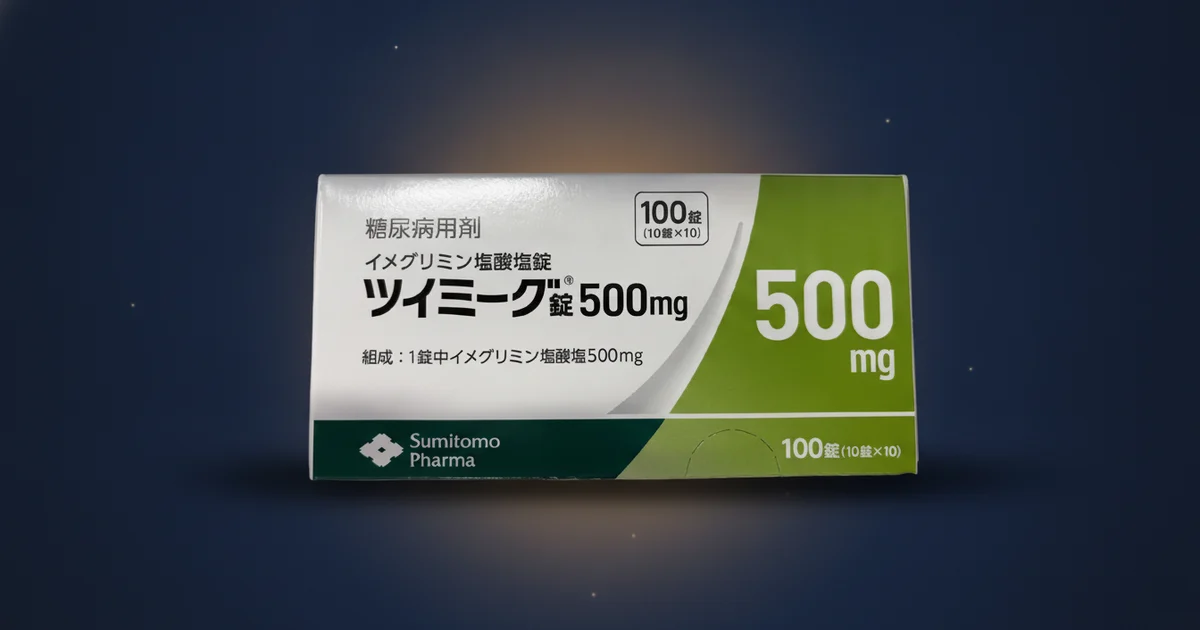
Almost all type 2 diabetes pills do one of three things: make the pancreas secrete more insulin, help tissues “hear” it, or flush glucose out in the urine. In June 2021, Japan approved a drug that fits none of these categories. Imeglimin (trade name TWYMEEG) acts on the mitochondrion — the cell's “power plant” — and through it influences both insulin production and insulin sensitivity at the same time [8].
There is a second reason to take a closer look. Imeglimin is the only approved glucose-lowering drug with a direct NAD+ mechanism: it raises the NAD+ pool in the pancreatic β-cell and, through the CD38 → cADPR → Ca²⁺ chain, amplifies insulin release [3]. NAD+ is the molecule around which all of modern longevity medicine is built (in detail in the article NAD+ and cellular aging: what lies behind the hype). Before imeglimin, no one in diabetology had addressed it directly.
Five years later, the drug is still officially sold only in Japan, the developer — France's Poxel — is in court-supervised reorganization, and it is barely discussed outside the specialist literature. This article is a full breakdown: the mechanism at the level of Complex I and cADPR, pharmacokinetics from the 2023 clinical pharmacology review and the primary sources, all clinical studies with numbers — from the registration program to the studies of 2026 — an honest calibration of the evidence behind each claim, a comparison with metformin in a narrow but very practical scenario — a person who drinks alcohol — and an answer to the question of what to replace imeglimin with while it remains unavailable.
How to read this article. It moves from mechanism to practice: the sections on Complex I, ROS, and NAD+ are the most technical; each technical block is followed by a plain-language translation. If you are interested only in practice, skip to the sections on safety, kidneys, alcohol, and the synthesis.
What imeglimin is: class, molecule, timeline
Imeglimin is the only member of a new class of oral glucose-lowering drugs, the “glimins” (development codes PXL008, EMD-387008) [8]. Chemically it is a tetrahydrotriazine — a cyclic structure related to the biguanides (the class that includes metformin) but with different binding kinetics to the mitochondrial respiratory chain [1]. It is precisely the ring configuration of the molecule that is the source of all the clinical differences from metformin discussed below.
The timeline is short. June 23, 2021 — the drug was approved in Japan, the first country in the world; sales launched in September 2021 [8]. April 2025 — Japan's PMDA (the counterpart of the US FDA and the European EMA) extended the label to patients with moderate-to-severe chronic kidney disease based on the phase 4 TWINKLE study [15]. 2025–2026 — an umbrella review, a network meta-analysis of 71,000 participants, 104-week FAMILIAR data, the first tracer study of dual action in humans, and consolidated reviews of the pharmacology and clinical data were published [35], [38], [39], [40], [66], [68]. In the US and Europe the drug is still not approved — we will return to this in the section on access.
The positioning I consider the only honest one: not an “improved metformin,” but the first drug that acts on mitochondrial bioenergetics as a therapeutic target.
How it works: four pathways
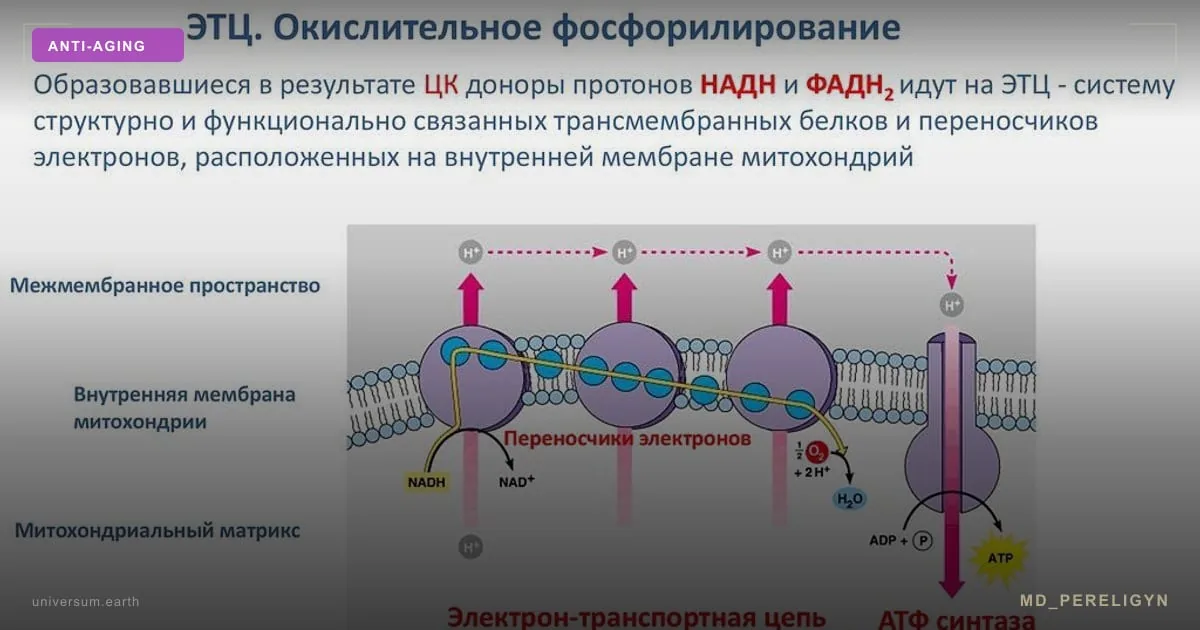
Imeglimin's mechanism is conveniently described as four pathways that will come back in every clinical section below: (1) the mitochondrial conveyor — Complex I; (2) protecting the cell from “sparks” — ROS and the mPTP pore; (3) the NAD+ axis and insulin release; (4) gut hormones — incretins.
Complex I: competitive versus non-competitive inhibition
Both drugs reduce the affinity of Complex I for NADH, but that is where the similarity ends [1], [2]:
| Parameter | Metformin | Imeglimin |
|---|---|---|
| Type of Complex I inhibition | Non-competitive | Competitive |
| Affinity for NADH | Reduces | Reduces |
| Vmax of the respiratory chain | Reduces | Unchanged |
| O₂ consumption by intact cells | Reduces | Does not reduce |
| Risk of lactic acidosis | Present | Mechanistically absent |
The absence of suppression of oxygen consumption (VO₂) means that the glycolytic shift and lactate accumulation are not triggered [1]. At the same time, both drugs dose-dependently reduce hepatocyte glucose production, the ATP/ADP ratio, and membrane potential while raising the mitochondrial redox potential [2] — this is their shared glucose-lowering mechanism.
ROS, Complex III, and mPTP: where the claim to β-cell protection comes from
Partial inhibition of Complex I is combined with correction of deficient Complex III activity [4]. The result is reduced production of reactive oxygen species (ROS) and prevention of mitochondrial permeability transition pore (mPTP) opening. The consequence is an anti-apoptotic component in the β-cell and the endothelial cell, entirely absent in metformin [4]. Additionally, improved structure and function of the endoplasmic reticulum has been described → reduced ER stress → increased glucose-stimulated insulin secretion (GSIS) [4].
What 2022–2025 added: mitophagy, ER, adenylosuccinate, and the first surrogates in humans
In the five years since approval, the “mitochondrial” block of the mechanism has acquired details, and they are worth listing because it is precisely these that distinguish imeglimin from metformin at the cellular level. In β-cells of db/db mice, imeglimin increased the number of insulin granules, improved mitochondrial morphology, and reduced the proportion of apoptotic cells along with the expression of apoptosis and inflammation genes [59]. In prediabetic db/db mice it slowed the loss of β-cell mass — shown non-invasively by the accumulation of labeled exendin-4 on SPECT/CT and confirmed by histology: less apoptosis, less cytochrome c release from mitochondria [60]. In 2024 a “quality control” link was added: defective mitochondria and excess ROS accumulate in diabetic islets, and imeglimin — like insulin, but not metformin — reduced the number of defective mitochondria, normalized mitophagy, restored insulin secretion, and reduced apoptosis [57].
The second block is the endoplasmic reticulum. Imeglimin enhances the ER-stress response through the CHOP–GADD34 axis, restores protein synthesis in the β-cell under load, and protects against ER-induced apoptosis; the effect disappeared in islets lacking CHOP or when GADD34 was blocked. Importantly, this was shown not only in mice (including Akita mice) but also in human islets and β-like cells derived from pluripotent stem cells [58]. The third block is metabolic: in 2025, Diabetes reported that imeglimin raises adenylosuccinate (S-AMP) and amino acid content, including aspartate, in islets; when its synthesis was blocked (an ADSS inhibitor), the proliferative and anti-apoptotic effects on β-cells weakened — in mouse, human, and porcine islets and in stem-cell-derived β-cells [56].
In humans there are no direct measurements of β-cell mass, but surrogate signals have appeared. In a prospective 2025 cohort (n=96, 6 months), imeglimin-containing combinations increased mitochondrial DNA copy number in blood cells, and in a parallel paper by the same authors circulating cell-free mtDNA (a marker of mitochondrial stress), IL-6, and NLRP3 decreased — most strongly in combination with non-metformin drugs; with monotherapy the effect was weaker [64], [65]. In a 12-month Japanese observation, the fasting C-peptide index (fCPI) rose from 1.14 to 1.21 (p=0.003), and the rise was already noticeable at 1–2 months [42]. This is not proof of β-cell preservation, but the first signs that the mechanism is visible not only in the test tube.
The β-cell NAD+ axis: the only oral glucose-lowering drug with a direct NAD mechanism
The cascade looks like this: NAMPT ↑ → NAD+ ↑ → CD38 → cADPR → RyR → Ca²⁺ mobilization → amplification of GSIS [3]. The growth of the NAD+ pool proceeds via the salvage pathway with induction of NAMPT; in parallel, glucose-induced ATP rises. Conversion of NAD+ to cADPR via CD38 is an obligatory link: without it the effect on secretion disappears [3]. Activation of the NAD+–sirtuin axis with suppression of β-cell apoptosis has additionally been described [4].
The practical conclusion: imeglimin is the only approved glucose-lowering drug with a direct NAD+ mechanism. This makes it a conceptual bridge between diabetology and NAD-oriented longevity medicine. Supplements with NAD+ precursors (nicotinamide riboside, NMN) are sold as “anti-aging agents,” but they are not drugs and do not directly affect diabetes; imeglimin is the first approved drug in which raising NAD+ is built into the mechanism of action. A caveat is mandatory: the effect has been shown in the β-cell and in experiments; no one has studied a “rejuvenating” effect on the body in humans.
The incretin component
In vivo, imeglimin raises plasma GIP and GLP-1 levels during an oral glucose tolerance test; the combination with sitagliptin increased insulin and GLP-1 significantly more than either drug alone; in isolated islets the effect was additive with GLP-1 but not with GIP [5].
Hence a direct clinical rationale: in the East Asian phenotype with a predominant secretory defect, the imeglimin + DPP-4i pairing is mechanistically better grounded than imeglimin + metformin. In East Asians, type 2 diabetes is more often linked not to excess weight and insulin resistance (discussed in the article HOMA-IR: the blood test your doctor isn't ordering) but to the pancreas secreting too little insulin. Metformin, meanwhile, acts on the same mitochondrial target and together with imeglimin produces more gastrointestinal adverse effects — which is why its dose has to be limited (see the section on safety).
In humans, the incretin component was confirmed in 2025 by a randomized comparison of “imeglimin 2000 mg/day versus metformin 1000 mg/day” (24 weeks, OGTT at baseline, 12, and 24 weeks): HbA1c fell equally, post-test glycemia too, but the insulin level rose only on imeglimin; GLP-1 (total and active) rose on both drugs, whereas GIP — only on imeglimin. The insulin increment correlated with the GLP-1 increment at week 12 and with the GIP increment at week 24 [41]. This refines the preclinical picture: in isolated islets the additivity was with GLP-1, not GIP [5], but in the body imeglimin increases secretion of both incretins, and the contribution of GIP grows over time.
A fifth pathway? Glucagon and the α-cell
In 2025, Cell Reports Medicine described another effect absent from the “classical” scheme: imeglimin directly suppresses glucagon secretion by α-cells (induced by low glucose, GIP, or epinephrine), reducing Gsα expression and EPAC2-dependent exocytosis, dampens α-cell calcium oscillations, and through a drop in MafB causes partial α-cell dedifferentiation; the effect was reproduced in mouse models of diabetes in vivo [55]. Yet a year earlier another group reported that in mice on a high-fat, high-sugar diet imeglimin, on the contrary, indirectly enhanced glucagon secretion and improved fatty liver (PubMed 38874179). The data are contradictory and so far only preclinical; in humans the effect on glucagon has not been studied systematically. For practice, one thing matters: if glucagon suppression is confirmed, it is one more contribution to glucose lowering without hypoglycemia risk — glucagon secretion in response to hypoglycemia was not examined in these experiments, and that must be kept in mind.
Dual action in humans: tracers and the clamp (2026)
For a long time the “dual action” — on secretion and on insulin sensitivity — was a postulate from preclinical work. In 2026 the first study was published in which both components were measured in humans by direct methods: 22 Japanese men with T2D received 2000 mg/day for 20 weeks; an OGTT with double-labeled glucose was performed at baseline, at week 1, and at week 20, and in 16 participants a two-step hyperinsulinemic euglycemic clamp [40]. The 3-hour OGTT glucose area under the curve fell by a median 108.6 mg·h/dL (p=0.0002) already by the first week — mainly due to slower appearance of glucose from the gut; insulin secretion indices rose at weeks 1 and 20; the clamp showed improved insulin sensitivity in skeletal muscle, liver, and adipose tissue and increased insulin clearance. The authors call this the first comprehensive evidence of dual action in humans.
This is consistent with the FAMILIAR extension phase: in a mixed-meal test at 104 weeks on imeglimin, the improvement in glucose and insulin sensitivity persisted “without excess insulin secretion” [35]. Meta-analyses, however, where sensitivity was assessed by the crude HOMA-IR index, found no effect on it despite a clear rise in HOMA-β (β-cell function) [37], [38]. The contradiction is apparent: HOMA-IR is calculated from fasting values and captures tissue effects poorly, whereas the clamp is the gold standard, but the sample there is small. Calibration: dual action in humans is confirmed by a methodologically strong but small study.
Pharmacokinetics: from molecule to dose
The 2023 clinical pharmacology review in Clinical Pharmacokinetics (authored by the developer's team — Chevalier, Fouqueray, and Bolze) collected everything known about the fate of imeglimin in the body [6]. Below is its content by primary sources: studies of absorption and distribution [24], pharmacokinetics in Europeans and Japanese [25], in renal impairment [26], [27] and hepatic impairment [28], drug interactions [29], [30], and the thorough QT study [31]. For the clinician, several practical rules follow from this, which I will collect at the end of the section.
Absorption: active transport and the ceiling effect
Imeglimin is a small cationic (positively charged) molecule with intermediate intestinal permeability. It is absorbed by two routes: active transport via organic cation transporters (OCT) and passively — between the cells of the intestinal epithelium [24]. Active transport is saturable, so the absorbed fraction falls as the dose rises: in animals absorption was 50–80%, in humans the dose-normalized area under the concentration curve (AUC) decreased across the whole range studied — 250–8000 mg in Europeans and 500–6000 mg in Japanese [24], [25]. Peak concentration occurs at 1–3.5 h in Europeans and 1.5–3 h in Japanese; in renal impairment — at 2–4 h [25], [26]. Food does not affect the pharmacokinetics, and accumulation on repeated dosing is minimal [25].
Distribution and elimination
Plasma protein binding is low — which is why the drug distributes rapidly and widely across organs (seen in all species studied) [24]. The elimination half-life is dose-independent and averages 9.03–20.2 h in Europeans and 4.45–12 h in Japanese; exposures in the two populations differed by less than 20%, with a tendency toward slightly higher values in Japanese [25]. Metabolism is minimal: mainly unchanged drug circulates in plasma, no human-specific metabolites were found; the drug neither inhibits nor induces cytochrome P450 enzymes [24]. It is excreted unchanged by the kidneys, and renal clearance is higher than creatinine clearance — meaning that, in addition to filtration, active tubular secretion is at work (uptake from blood by OCT2, efflux into urine via MATE1 and MATE2-K) [24]. By transporter profile, imeglimin is a substrate of OCT1, OCT2, MATE1, and MATE2-K and an inhibitor of OCT1, OCT2, and MATE1 [24].
Interactions: what has been tested clinically
| Partner | Design | Result |
|---|---|---|
| Metformin 850 mg × 2 | Healthy men, + imeglimin 1500 mg × 2, 6 days | Metformin AUC −14%, Cmax −10%, fraction excreted in urine 40% → 34% — clinically insignificant [30] |
| Sitagliptin 100 mg | Same design | Sitagliptin AUC and Cmax unchanged; T½ 8.2 versus 8.7 h [30] |
| Cimetidine 400 mg × 2 (reference MATE1/MATE2-K/OCT inhibitor) | Healthy subjects, single 1500 mg imeglimin dose | Imeglimin Cmax and AUC ×1.3 due to reduced renal elimination — clinically insignificant [29] |
The review's conclusion: the interaction potential is low — no clinically significant effects with OCT/MATE substrates and inhibitors, no effect on CYP [6]. For practice this means imeglimin can be combined with most drugs without dose adjustment; the only thing worth remembering is that metformin in combination receives 10–14% lower exposure, not higher.
Liver
In patients with moderate hepatic impairment, after a single 1000 mg dose Cmax was 1.3-fold (90% CI 1.05–1.60) and AUC 1.5-fold (90% CI 1.19–1.82) higher than in healthy subjects; the elimination rate did not change, and most of the drug was still excreted in urine — the authors attribute the increase to better absorption and/or lower hepatic uptake rather than impaired elimination, and do not consider it clinically significant [28]. The review formulates the conclusion this way: mild and moderate hepatic impairment do not affect the pharmacokinetics [6]. Severe hepatic impairment has not been studied — this must be remembered when we get to alcohol.
Kidneys: from pharmacokinetics to dose
The key study is a phase 1 trial in 24 Japanese patients in four eGFR groups (≥90; 60–<90; 30–<60; 15–<30 mL/min/1.73 m²), a single 1000 mg dose (500 mg in severe impairment): Cmax and AUC rose as eGFR fell, renal clearance decreased, most of the drug was excreted within 24 h; the predicted steady-state concentrations with repeated dosing were higher than in people with normal renal function; there were no adverse events [26]. Population pharmacokinetics on pooled Japanese and European data (healthy subjects and CKD patients with eGFR >14) with extrapolation of AUC to lower values yielded a specific regimen: 500 mg × 2/day at eGFR 15–45 and 500 mg with an extended interval at eGFR <15 [27]. The same model explained why the Japanese dose of 1000 mg × 2 and the Western dose of 1500 mg × 2 give comparable AUC: exposure differences between populations were determined mainly by differences in eGFR, not ethnicity [27].
| eGFR, mL/min/1.73 m² | Regimen | Basis |
|---|---|---|
| ≥45 | 1000 mg × 2/day | Registration dose (phases 2b–3) [9], [32] |
| 15–<45 | 500 mg × 2/day | PopPK model [27], phase 1 [26], phase 4 TWINKLE [15]; PMDA label since April 2025 |
| <15 (incl. dialysis) | 500 mg × 1/day | TWINKLE (n=2 at G5) [15], dialysis series (n=6) [16] |
Heart: the thorough QT study
In a randomized crossover study in healthy volunteers, therapeutic (2250 mg) and supratherapeutic (6000 mg) doses were compared with placebo and moxifloxacin: the upper bound of the 90% CI for ΔΔQTcF did not exceed the regulatory threshold of 10 ms in any group, there was not a single QTcF value >500 ms or increase >60 ms, and there was no effect on heart rate, PR, or QRS; assay sensitivity was confirmed with moxifloxacin [31]. This is what stands behind the brief “does not prolong QT” in the clinical sections.
Summary pharmacokinetics table
| Parameter | Value | Source |
|---|---|---|
| Absorption | Active (OCT) + passive paracellular transport, saturable; 50–80% in animals | [24] |
| Tmax | 1–3.5 h (Europeans), 1.5–3 h (Japanese), 2–4 h in CKD | [25], [26] |
| Food | No effect | [25] |
| Protein binding | Low | [24] |
| T½ | 9.03–20.2 h (Europeans), 4.45–12 h (Japanese), dose-independent | [25] |
| Metabolism | Minimal; neither inhibits nor induces CYP | [24] |
| Elimination | Renal, unchanged; renal clearance > creatinine clearance (active secretion) | [24] |
| Transporters | Substrate of OCT1/OCT2/MATE1/MATE2-K; inhibitor of OCT1/OCT2/MATE1 | [24] |
| Interactions | Metformin AUC −14%, sitagliptin unchanged, cimetidine ×1.3 — all clinically insignificant | [29], [30] |
| Liver (moderate impairment) | Cmax ×1.3, AUC ×1.5 — insignificant; severe not studied | [28] |
| Kidneys | Exposure rises as eGFR falls; 500 mg × 2 at 15–45, 500 mg × 1 at <15 | [26], [27] |
| QT | No prolongation (2250 and 6000 mg) | [31] |
Four practical consequences: (1) the drug-interaction potential is low — it can be combined freely, no dose adjustment of partners is needed; (2) saturable absorption = an efficacy ceiling at 1000 mg × 2, raising the dose is pointless — the same is seen in phase 2b and in the network meta-analysis, where 1500 and 2000 mg × 2 add nothing over 1000 mg × 2 (see below); (3) elimination is entirely renal → the dose is dictated by eGFR, not by the liver; (4) in Japanese the half-life is shorter than in Europeans, but the twice-daily regimen is the same and steady-state exposures are comparable — so Japanese doses can be transferred to Europeans, whereas at reduced eGFR the calculation must be individual.
What the human studies showed
First, about units of measurement. HbA1c is glycated hemoglobin, the “average sugar” over the last ~3 months; a 1% reduction is considered a strong effect, 0.5% — moderate. CI is the confidence interval: the corridor in which the true value lies with 95% probability. p < 0.05 — the result is unlikely to be due to chance.
Before Japan: Western phase 2 and dose selection
The drug was first developed for Western populations. In two small phase 2a studies (4 and 8 weeks), imeglimin lowered the glucose area under the curve, fasting glucose, and HbA1c as much as metformin 850 mg × 2, with better tolerability [34]. In a 12-week placebo-controlled study of 170 patients not at goal on sitagliptin (mean BMI 32.2), adding imeglimin 1500 mg × 2 lowered HbA1c by 0.60% versus a 0.12% rise on placebo — a difference of 0.72% (p<0.001) with placebo-level tolerability [33]. The dose for Japan was chosen in a 24-week phase 2b study (n=299): 500, 1000, and 1500 mg × 2 lowered HbA1c relative to placebo by −0.52%, −0.94%, and −1.00%, respectively; the rate of adverse events was 68.0 / 62.2 / 73.3% versus 68.0% on placebo, with a small increase in gastrointestinal effects at 1500 mg. The gain from 1000 to 1500 mg was minimal, and 1000 mg × 2 was chosen for phase 3 [32]. The Western dose of 1500 mg × 2 and the Japanese dose of 1000 mg × 2 give comparable exposure — because of differences in eGFR, not ethnicity [27].
TIMES 1–3: the registration program in Japan
| Study | Design | Δ HbA1c | Details |
|---|---|---|---|
| TIMES 1 [9] | Monotherapy, 24 wk, n=213, double-blind vs placebo | −0.87% (95% CI −1.04…−0.69) | AEs 44.3% vs 44.9% on placebo |
| TIMES 2 [10] | 52 wk, open-label, n=714: mono (n=134) and combinations with 8 classes | Mono −0.46%; oral combinations −0.56…−0.92%; with GLP-1 RA −0.12% | Best result — with DPP-4i (−0.92%); AEs 75.5%, serious 5.6%, none drug-related |
| TIMES 3 [11] | Add-on to insulin, 16 wk vs placebo + 36 wk open-label extension, n=215 | −0.60% (95% CI −0.80…−0.40) at 16 wk; −0.64% at 52 wk | Hypoglycemia rate as on placebo, all episodes mild |
Three facts about tolerability. In TIMES 1 the adverse-event rate was 44.3% versus 44.9% on placebo — the tolerability profile in monotherapy is neutral [9]. In TIMES 2, over 52 weeks there were no drug-related serious adverse events, nor clinically significant changes in ECG, laboratory values, or vital signs; no severe hypoglycemia was recorded [10]. In TIMES 3, on top of insulin, the number of patients with hypoglycemia did not differ from placebo, and no episode required outside assistance [11].
FAMILIAR: add-on to DPP-4i for 104 weeks
The longest randomized program after approval is FAMILIAR (jRCTs061210082): 117 Japanese patients not at goal on DPP-4i monotherapy, 24 weeks of double-blind comparison of imeglimin 1000 mg × 2 with placebo, and then 80 weeks of open-label imeglimin for all participants [14], [35]. By week 24, HbA1c on imeglimin fell by 0.65% while on placebo it rose by 0.38% — a difference of −1.02% (95% CI −1.33…−0.72); in patients ≥65 years the difference was even larger (−1.22%) than in younger patients (−0.79%) [14]. By week 104 the effect in the early-start group persisted (−0.55% from baseline, p<0.001) with no signs of waning; in the elderly — −0.58% without a single hypoglycemic episode over two years; the group that switched to imeglimin after week 24 caught up with the first. The study was completed by 81 of 117 patients [35].
Meta-analyses and network analysis: how much, and compared with what
| Study | Material | Main figures |
|---|---|---|
| Hagi 2023 [36] | 9 RCTs, n=1655 | Mono 1000 mg × 2: WMD −0.71%; add-on 1000 mg: −0.60%; effect independent of CKD category; discontinuations and AEs — as on placebo |
| Tewari 2025 [37] | 13 RCTs + 9 observational | HbA1c and fasting glucose ↓ (more at higher dose and in combination); HOMA-β ↑; HOMA-IR without significant change; only Japanese and European samples |
| Song 2025, umbrella review [38] | 12 RCTs ≥12 wk | HbA1c SMD −0.45 (I² 94%); fasting glucose SMD −0.51; HOMA-β +0.59; insulin, C-peptide, HOMA-IR — no significant effect; LDL SMD +0.32 (I² 0%) |
| Chow 2026, Bayesian network meta-analysis [39] | 145 RCTs, 71,476 participants (imeglimin and all DPP-4is) | Imeglimin vs placebo: 500 mg × 2 −0.29%, 1000 mg × 2 −0.67%, 1500 mg × 2 −0.73%, 2000 mg × 2 −0.63%; vs sitagliptin 100, saxagliptin 5, linagliptin 5, alogliptin 25 — no differences; 1500 mg × 2 — GI AEs OR 2.74; 500 mg × 2 — infections OR 2.30 (1.01–4.61) |
What follows from this. First, the dose plateau is confirmed independently of phase 2b: 1500 and 2000 mg × 2 are no better than 1000 mg × 2, and tolerability is worse. Second, the effect size is exactly the level of the approved DPP-4is, formally indistinguishable. Third, two signals that were absent from the Japanese program: a small unfavorable LDL shift in the umbrella review (the effect is small but homogeneous) and an isolated association of the low dose with infections in the network analysis (wide interval, no biological explanation) — both require verification, not conclusions. Fourth, heterogeneity is high (I² up to 94%), the populations are Japanese and European, so the figures should be transferred to other groups with caution.
Real-world: 12 months in an ordinary clinic
An observational study in Gifu Prefecture (n=79, 1000 mg × 2, 2025) [12]: HbA1c fell already at 1 month, and the effect was stably maintained at 12 months (−0.8 ± 1.2%). Achievement of target HbA1c — 59% / 64% / 86% in the <65, 65–74, and ≥75-year groups: the effect does not fall with age. Body weight (p=0.013), triglycerides 178.8→144.9 mg/dL (p=0.001), ALT, AST, and γ-GTP (all p<0.001) decreased significantly. eGFR, creatinine, blood pressure, heart rate, and uric acid — no change. In 2025–2026 several more Japanese cohorts were added to it.
| Cohort | n, design | Result | Comment |
|---|---|---|---|
| Japan, Fujita 2026 [42] | 73, retrospective, 12 mo | HbA1c 8.55 → 7.67% (p<0.0001); glycated albumin ↓ from the first weeks; fCPI 1.14 → 1.21 (p=0.003) with unchanged total treatment intensity | Early rise in the C-peptide secretion index |
| Japan, Kimura 2026 [43] | 54, retrospective, 6 mo; diabetes duration 14 years, 2.9 drugs | HbA1c and GA ↓ in all subgroups (age, BMI, CKD stage, type of incretin drug); AST/ALT ↓; eGFR, weight, lipids unchanged; red blood cells and hemoglobin ↓ | Effect independent of CKD stage; see below on red blood cells |
| Japan, Ito 2025 [46] | 94 (safety) / 64 (efficacy), retrospective, 6 mo | HbA1c 8.5 → 7.7% in metformin users and 8.0 → 7.4% in non-users; weight and FIB-4 ↓ only in metformin users; GI AEs 38% vs 11% | The price of combining with metformin is the gut |
Insulin: TIMES 3 and INSPIRE
Adding to insulin gives −0.60% at week 16 and −0.64% at week 52 without an increase in hypoglycemia [11]. In 2026 the INSPIRE observation was added, in hospitalized patients on a DPP-4i and multiple daily insulin injections (n=30, mean age 77.7 years, BMI 21.6, C-peptide index 0.78 — that is, thin elderly people with low endogenous secretion): 5 days after adding imeglimin 2000 mg/day, the total insulin dose decreased, bolus insulin — by 10.6 ± 8.0 U/day, and pre-breakfast and pre-dinner glycemia improved; the effect was independent of BMI, diabetes duration, and residual secretion [47]. This is a small and short observation, but it shows the practical goal of the “DPP-4i + imeglimin” pairing in the elderly on insulin: to simplify the regimen and remove some of the boluses — where every injection and every hypoglycemia is costly.
MEGMI: head-to-head comparison with metformin escalation
A randomized study, 24 weeks, on a background of DPP-4i + low-dose metformin [13]:
| Group | HbA1c: baseline → 24 wk | n |
|---|---|---|
| Imeglimin 2000 mg | 7.61 ± 0.48 → 6.93 ± 0.49 | 33 |
| Metformin escalation | 7.56 ± 0.61 → 7.09 ± 0.56 | 32 |
The difference in favor of imeglimin is −0.21% (p = 0.038; 95% CI −0.41…−0.01). The arithmetic is simple: Δ imeglimin = 6.93 − 7.61 = −0.68; Δ metformin = 7.09 − 7.56 = −0.47; −0.68 − (−0.47) = −0.21. The price of superiority: 7 of 33 participants in the imeglimin group (≈21%) discontinued because of serious gastrointestinal adverse events. Within-group comparison: imeglimin significantly reduced body weight and improved liver enzymes.
Safety: where the real boundary lies
The main conclusion of 2025: the rate of gastrointestinal disturbances is higher in combination with metformin. In the Gifu real-world cohort they were significantly more frequent with metformin ≥1000 mg/day (p = 0.032), whereas at <1000 mg/day the combination was tolerated relatively calmly [12]; over 12 months GI disturbances occurred in 21.5%, hypoglycemia in 2.5% (severe — 0), discontinuation due to adverse events — 7.6%, with no age differences in the rates of AEs or discontinuations [12]. In another Japanese cohort, GI AEs occurred in 38% of metformin users versus 11% of non-users [46].
A post-hoc analysis of 64 patients in the “imeglimin + metformin” group of TIMES 2 adds details that change tactics: GI symptoms occurred in 40.6%, diarrhea in 17.2%; metformin dose and age had no significant effect on their frequency; events clustered in the first 4 months, about half resolved within a week, most were mild; the only significant predictor of diarrhea was diabetes duration under 5 years (OR 5.98; p=0.039); the glucose-lowering effect was independent of symptoms and even slightly greater in those who had them [45]. So the 1000 mg threshold from observational data and “dose does not matter” from RCT data contradict each other; a reasonable synthesis is to start with a lower metformin dose, warn about the first four months, and not discontinue the drug because of mild diarrhea in the first week.
The mechanism of overlap: both drugs inhibit Complex I and are structurally similar. It was long assumed that they also change the gut microbiota similarly [7], but a comparative study in 2025 refined the picture: at the level of whole colonic tissue both induce similar expression changes (including GDF15), yet metformin remodels enterocytes more strongly, markedly reduces microbiota diversity, and pushes glucose into the gut lumen, whereas imeglimin increases the share of IgA-producing plasma cells, affects the microbiota more gently, and hardly excretes glucose into the lumen at all [61]. The gastrointestinal effects of the two drugs thus add up but are not entirely identical in nature — one more argument against prescribing both at full dose.
What has not been recorded in the Japanese program and cohorts: cases of lactic acidosis, including in the elderly on combination with metformin; QT/QTc prolongation (thorough QT study — see the pharmacokinetics section); the cardiovascular profile is neutral [9], [10], [12], [31]. But honesty requires two caveats from 2025–2026 — and one reminder. The reminder: the absence of a lactic acidosis mechanism does not negate the fact that in severe illness, dehydration, or combination with metformin, lactic acidosis as an event in a patient with diabetes is possible — imeglimin must not create a false sense of protection. The first caveat: the umbrella review found a small homogeneous unfavorable LDL shift (SMD +0.32) [38] — lipid monitoring on therapy would not hurt. The second: in 21 patients with heart failure (stage B and above), over ~10 months HbA1c fell from 8.2 to 7.5%, ALT from 30.9 to 22.0 IU/L, there were no adverse drug reactions, but three (14%) had major cardiovascular events — the relationship to the drug is unclear, the sample is tiny [50]. Neither observation changes the overall conclusion, but both are worth keeping in view.
What to monitor on therapy
- eGFR — before prescribing and regularly: the dose depends on it (see the table in the pharmacokinetics section). - The gut — the first 4 months, especially in combination with metformin; diabetes duration <5 years is a risk factor for diarrhea [45]. - Early effect — by glycated albumin or 1,5-AG, not by HbA1c alone [48]. - Complete blood count — given the data on erythrocyte lifespan and the divergent hemoglobin shifts [43], [48]. - Lipids — the LDL signal from the umbrella review [38]. - Vitamin B12 — not studied; in combination with metformin, monitor according to the rules for metformin.
Kidneys: imeglimin's main niche
Chronic kidney disease (CKD) is the main context in which imeglimin makes sense. Stages by eGFR: G3a 45–59, G3b 30–44, G4 15–29, G5 <15 mL/min/1.73 m² (dialysis). The problem is that most diabetes pills, when the kidneys are poor, are either prohibited, dangerous, or stop working.
TWINKLE — phase 4 at eGFR <45
An open-label single-arm study, 52 weeks, n=60 (G3b n=42, G4 n=16, G5 n=2) [15]:
| eGFR | Dose | Cpredose |
|---|---|---|
| G3a / G3b | 500 mg × 2/day | 213.5–719.6 ng/mL |
| G4 (15–<30) | 500 mg × 2/day | 1123–1370 ng/mL |
| G5 (<15) | 500 mg × 1/day | ~1888 ng/mL (post-dose) |
Adverse events in 68.3% with no increase in frequency across CKD stages; the most common was diarrhea (10.0%). Efficacy: HbA1c −0.53% at week 24 and −0.26% at week 52 (last observation carried forward), glycated albumin −2.37% and −1.59%, fasting glucose −13.6 and −7.0 mg/dL; the proportion achieving HbA1c <7.0% rose from 13.3 to 50.0% [15]. In April 2025, on the basis of these data, the PMDA revised the label for eGFR <45 [15].
What else there is on the kidneys. A retrospective series of 14 patients with eGFR <45 (3 months): kidney and liver function did not worsen, proteinuria decreased significantly, blood pH rose, bicarbonate did not change, no hypoglycemia or GI symptoms were noted [49]. A meta-analysis of 9 RCTs showed that the glucose-lowering effect does not depend on CKD category [36], and in the Kimura 2026 cohort CKD stage did not affect the result [43]. Experimentally, imeglimin reduced albuminuria and renal fibrosis and protected against ischemic acute kidney injury (PubMed 41678946) — so far only mice, but the direction matches the clinic: the drug does not harm the kidneys and may do something useful beyond glucose control. There are no studies with renal outcomes (doubling of creatinine, dialysis).
Dialysis and the uniqueness of the niche
There is a small series of 500 mg/day use in patients on hemodialysis and peritoneal dialysis (n=6) with a significant reduction in fasting glucose and ALT [16]. Imeglimin is practically the only oral glucose-lowering drug with prospective safety data all the way to dialysis. For comparison: metformin is contraindicated at eGFR <30; sulfonylureas and glinides carry hypoglycemia risk; SGLT2is lose efficacy (they excrete sugar in urine — and if the kidneys do not filter, there is nothing to excrete with). This is imeglimin's main unfilled niche — not effect size, but preserved applicability in end-stage CKD.
Pleiotropy: liver, vessels, heart, MIDD
Pleiotropy means beneficial effects beyond sugar. Here there is much that is promising and little that is proven; each block comes with a calibration.
Liver: MASLD / MASH
At a clinically relevant concentration of 10 µM, imeglimin reduces the accumulation of vesicular ATP and suppresses its release from hepatic stellate cells; the result is reduced inflammatory infiltration and collagen deposition: an antifibrotic mechanism via purinergic signaling, independent of glycemia [17]. In MASH models — improved fatty-acid β-oxidation, reduced ROS, improved mitochondrial function. In 2026, Metabolism added a new target: in a 48-week mouse model of fatty liver disease, 6 months of imeglimin improved insulin resistance, liver function, and inflammation, and the effect disappeared in mice lacking hepatic PEN2 or when AMPK was blocked — that is, in the liver the drug works through the PEN2–AMPK axis (the same one described for low-dose metformin); it also protected human hepatocyte-like cells from fat accumulation [62].
The clinic. A multicenter study in 80 patients with T2D and MASLD (24 weeks, with a control group without imeglimin) showed on imeglimin a significant reduction in HbA1c, AST, ALT, and γ-GTP and a reduction in the fibrosis and inflammation indices FIB-4 and FAST — with unchanged fat content (CAP) and liver stiffness on FibroScan [18]. A retrospective series of 49 patients (6 months): ALT 21 → 17 IU/L, AST 21 → 18 IU/L, BMI and HbA1c ↓; those with baseline ALT ≥25 IU/L responded best (sensitivity 100%, specificity 77.8%) [63]. In the Ito 2025 cohort, FIB-4 fell from 1.27 to 1.17 in metformin users [46]; in MEGMI the degree of HbA1c reduction correlated with fatty liver markers [13].
Endothelium and myocardium
A prospective study assessing flow-mediated dilation (FMD) before and after 3 months of therapy showed improved endothelial function in patients with T2D [8]. Preclinical data: imeglimin immediately improved diastolic dysfunction by reducing oxidative stress, increasing NO bioavailability, and improving myocardial perfusion; 90-day therapy improved myocardial structure in a model of metabolic syndrome (Zucker fa/fa); endothelium-dependent relaxation of coronary and peripheral arteries improved [1].
Muscles and the elderly: a signal toward sarcopenia
A mitochondrial mechanism is logical to test on muscle. In a prospective cohort study (27 on imeglimin versus 29 controls, 24 weeks), muscle mass and fat mass did not change, but knee extensor strength increased by 13 ± 19% versus 2.1 ± 14% (p=0.022); grip strength — no difference; the association persisted after adjustment for age, sex, BMI, and skeletal muscle index (β=0.325, p=0.0014) [51]. According to the Japanese national insurance claims database (2021–2023), imeglimin is most often prescribed to people in their 70s, and the share of those ≥80 is growing; a case has been described of an 80-year-old woman who on 2000 mg/day kept HbA1c around 7% for thirty months with stable muscle mass, nutrition, and inflammation markers and preserved walking ability [52]. In FAMILIAR the elderly responded better than the young and without hypoglycemia [14], [35]; in the Gifu cohort 86% of patients ≥75 reached target [12]. In mice in 2026, attenuation of muscle atrophy in obesity and aging was shown (PubMed 42522325).
Who benefits more: predictors of response
Two analyses of the registration trial data tried to answer who gets the maximum effect. Cluster analysis identified four patient types: in monotherapy the cluster with high baseline HbA1c responded most strongly (−1.27%), the cluster with long disease duration more weakly (−0.64%); in add-on to insulin, the only cluster without a significant effect was patients with high BMI and a large insulin dose (−0.31%, not significant) [53]. Machine learning on the same data: in monotherapy the best reduction was in non-smokers with HbA1c ≥8.35% and LDL <3.26 mmol/L (−1.24%); factors of worse response were obesity and a high fatty liver index; in add-on to insulin the best response was in patients with BMI <25.9, LDL <2.68 mmol/L, and ALT <21 U/L (−1.48%), and older age was associated with greater reduction [54]. The practical translation: imeglimin is a drug for the thin, elderly, non-smoking patient with a secretion deficit; in the obese insulin-resistant patient on large insulin doses, one should not expect much. This fully matches the “East Asian phenotype” discussed in the mechanism section and the patient portrait in the kidney section.
Mitochondrial diabetes (MIDD) — the most logical off-label niche
MIDD is maternally inherited diabetes and deafness, the m.3243A>G mutation in MT-TL1; the primary defect is β-cell mitochondrial dysfunction; metformin is relatively contraindicated. A case of successful glycemic control with imeglimin in MIDD has been published [19]. The logic is direct: a drug whose mechanism restores mitochondrial bioenergetics, in a disease where the target is precisely the mitochondrion. Conceptually, this is the only nosology in which imeglimin may be not an alternative but the drug of choice.
By 2025 there were more reports: a case of mitochondrial diabetes with a successful response to imeglimin (PubMed 40485893), a case of diabetes in Friedreich's ataxia — another disease with primary mitochondrial dysfunction (PubMed 41018170), and two cases of improved glycemia in LADA — autoimmune diabetes of adults (PubMed 38116160). These are still reports of single patients, but they outline the same logic: where the cause of diabetes is the mitochondrion or a secretion deficit rather than obesity, imeglimin finds its place.
Imeglimin and alcohol: comparison with metformin on eight criteria
The practical question asked more often than any other: which of the two drugs is safer for a person who drinks alcohol. The comparison rests on the mechanism of action, imeglimin study data, and the official metformin label. There is no direct study of “imeglimin + alcohol” — the imeglimin entries in the alcohol part are extrapolation.
| Criterion | Metformin | Imeglimin | Verdict |
|---|---|---|---|
| 1. Lactic acidosis | Alcohol raises lactate and hinders its hepatic utilization; metformin non-competitively inhibits Complex I and itself raises lactate; the label explicitly instructs to avoid excessive alcohol | Competitive inhibition without a fall in VO₂ — the lactate pathway is not switched on; no cases recorded, including in the elderly on combination with metformin; not studied separately with alcohol | imeglimin |
| 2. Hypoglycemia | Hardly causes it by itself; alcohol blocks gluconeogenesis — risk of delayed sugar drop | Insulin release is glucose-dependent, severe hypoglycemia 0, rate ~1–2%; the same alcohol mechanism | parity |
| 3. Liver | Not hepatotoxic, but contraindicated in severe alcoholic liver disease (lactate clearance) | Not metabolized by the liver (CYP not involved); in moderate hepatic impairment exposure ×1.5 without clinical significance, severe not studied; reduced ALT/AST/γ-GTP; not studied in alcoholic liver disease | rather imeglimin |
| 4. Kidneys, dehydration | Dehydration → AKI → accumulation → lactic acidosis; eGFR <30 — contraindicated | Also accumulates (G4: ×2), but without the lactate mechanism; data up to dialysis; the same “sick day” rules | rather imeglimin |
| 5. GI tract | Nausea, diarrhea — worsened by alcohol | 21.5% per year, especially with metformin and in the first 4 months — worsened by alcohol | parity |
| 6. Vitamin B12 | Reduces B12 absorption; alcohol does too: double deficiency, neuropathy | Effect not studied | rather imeglimin |
| 7. Heart and rhythm | No effect on rhythm | Does not prolong QT/QTc (thorough QT study), neutral profile, no CVOT | parity |
| 8. Availability and experience | Everywhere, decades of observation, including in drinking patients | Japan only, 5 years, not studied in drinkers | metformin |
Score by criteria: 4 “for” imeglimin (lactate, liver, kidneys, B12), 1 “for” metformin (availability and experience), 3 parities (hypoglycemia, GI tract, heart).
Access: regulation, channels, price
Approved in Japan on 23.06.2021, sales since September 2021; outside Japan it is officially approved nowhere. Poxel regained the rights for the US/EU in Q1 2021; partner Roivant terminated the license agreement after a strategic review [8], [20]. Patent protection in Japan for the renal indication — until 2039 [20].
The Sumitomo Pharma partnership territory includes Japan, China, South Korea, Taiwan, and 9 Southeast Asian countries (including Thailand). The rights exist — there is no registration with the Thai FDA; de facto the drug is unavailable in Thailand.
Channels of access — in descending order of legitimacy
1. Prescription in Japan — 処方箋医薬品 (“prescription-only drug”), over-the-counter dispensing is excluded. Japanese online clinics conduct the initial consultation remotely and ship the drug by mail, but delivery is within Japan only.
2. Personal-import brokers — shipping from Japan to private individuals. A gray zone: importing an unregistered drug formally violates local law (in Thailand — the Thai Drug Act B.E. 2510); the risk of customs seizure of a declared parcel is ~30–50%; the authenticity of the supply chain cannot be verified.
3. Research-grade imeglimin HCl (MedChemExpress, Cayman, TargetMol) — “not for human use”: purity is confirmed by a certificate of analysis (CoA), but manufacturing is not to GMP standard. Valid for in vitro and animal models, not for patients.
Economics (Japanese NHI)
| Parameter | Value | Equivalent |
|---|---|---|
| Price of 1 tablet 500 mg (薬価) | 32.5 ¥ (34.4 ¥ at listing in August 2021) | — |
| Regimen | 1000 mg × 2/day | 4 tabs/day |
| Cost/day | ≈ 130 ¥ | ≈ €0.75 |
| Cost/month | ≈ 3,900 ¥ | ≈ €22 |
| Retail without insurance | ×2–3 of 薬価 | ≈ €45–65/month |
Calculation: 32.5 ¥ × 4 tabs × 30 days ≈ 3,900 ¥ ≈ €22/month. The cost of therapy is low — the barrier is not price but purely regulatory and logistical.
2026 update: commercial context and forecast
TWYMEEG sales in Q1 2026 — ¥2.3 billion, +36% year on year; Sumitomo expects to exceed ¥10 billion for FY2026, which would trigger a ¥1 billion bonus and an increase in the royalty rate from 10% to 12% [20]. Meanwhile, Poxel filed for court-supervised reorganization on 29.07.2025 after shareholders rejected the financial resolutions — with immediate defaults on its debt; cash as of 31.12.2025 — €0.9 million [21]. Patent JP 7635474 for the renal indication runs until 2039; an equivalent patent has been granted in China — the second-largest T2D market [20].
Synthesis: imeglimin versus metformin
| Criterion | Metformin | Imeglimin |
|---|---|---|
| Complex I | Non-competitive | Competitive |
| Insulin secretion | No effect | ↑ via NAD+/cADPR; confirmed in humans by tracer OGTT [40] and RCT [41] |
| Insulin sensitivity | ↑ (liver) | ↑ in muscle, liver, and adipose tissue by clamp (n=16) [40]; HOMA-IR unchanged in meta-analyses |
| Incretins | GLP-1 ↑ | GLP-1 ↑ and GIP ↑ [41] |
| β-cell protection | None | Yes (preclinical), surrogates in humans (fCPI, mtDNA) |
| Lactic acidosis | Risk present | No mechanism; not recorded |
| eGFR <30 | Contraindicated | Possible, 500 mg × 2 at 15–45 |
| Dialysis | No | 500 mg/day (n=6 + n=2 in TWINKLE) |
| Δ HbA1c | −1.0…−1.5% | −0.6…−0.9%; vs placebo in network analysis −0.67% |
| Durability | Decades of data | 104 weeks without waning (FAMILIAR) |
| Vitamin B12 | Deficiency | No data |
| LDL | Neutral/↓ | Small ↑ in umbrella review |
| Cost | Pennies | ≈ €22/month (Japan) |
| Availability | Global | Japan only |
Bottom line: what to do in practice
Metformin in combination — weigh it, do not cut it automatically. If the full dose is tolerated — keep it: reducing metformin “for the sake of the gut” costs about 0.5% HbA1c and a kilogram of weight [44]. If GI symptoms interfere — reduce to 500–750 mg/day, warning that the worst weeks are the first four months and half of the episodes resolve within a week [45]. This is the main reason for discontinuation, and it can be managed.
If the drug is unavailable: a practical alternative
An available replacement when the drug cannot be obtained: metformin XR ≤750 mg + DPP-4i + NAD precursor. Mechanistically covers 2 of imeglimin's 4 pathways.
Glossary
- HbA1c — glycated hemoglobin, the “average sugar” over ~3 months. eGFR — estimated glomerular filtration rate of the kidneys; normal is above 90, below 60 — CKD stage 3, below 15 — dialysis. CKD — chronic kidney disease (G3a 45–59, G3b 30–44, G4 15–29, G5 <15). OAD — oral antidiabetic (glucose-lowering) drug.
- β-cell — the pancreatic cell that produces insulin. GSIS — glucose-stimulated insulin secretion. Mitochondrion — the cell's “power plant”; Complex I–V — the nodes of its respiratory chain. NAD+ — an electron carrier without which the mitochondrion cannot extract energy; falls with age. NAMPT, CD38, cADPR, RyR — links in the chain from NAD+ to insulin release. ROS — reactive oxygen species; mPTP — a pore in the mitochondrial membrane whose opening triggers apoptosis. ER / ER stress — the cell's “protein assembly shop” / its overload.
- Incretins (GLP-1, GIP) — gut hormones that enhance insulin release after a meal. DPP-4i — inhibitors of the DPP-4 enzyme. GLP-1 RA — GLP-1 receptor agonists. SGLT2i — gliflozins. SU, glinides — insulin secretagogues with hypoglycemia risk. Lactic acidosis — acidification of the blood by lactic acid.
- T½ — elimination half-life. OCT, MATE — drug transporters. CYP — liver enzymes. Cpredose — concentration before the next dose. RCT — randomized controlled trial; phase 4 — post-approval; real-world — observation in routine practice; case report — description of a single case. CI — confidence interval; AEs — adverse events. MASLD / MASH — metabolic dysfunction-associated steatotic liver disease / its inflammatory stage. FMD — an ultrasound test of artery dilation; CVOT — cardiovascular outcomes trial. MIDD — mitochondrial diabetes with deafness. PMDA, FDA, EMA — the drug regulators of Japan, the US, and Europe.
- Tmax, Cmax, AUC — the time and magnitude of peak concentration and the area under the concentration–time curve (total exposure). PopPK — population pharmacokinetic model. GA — glycated albumin (average sugar over 2–3 weeks); 1,5-AG — 1,5-anhydroglucitol (a marker of short sugar spikes). Clamp — the reference test of insulin sensitivity; tracer — labeled glucose for assessing its fluxes. HOMA-β / HOMA-IR — calculated indices of β-cell function and insulin resistance from fasting values. SMD / WMD — standardized and weighted mean difference in a meta-analysis; I² — a measure of heterogeneity among studies; network meta-analysis (NMA) — indirect comparison of drugs through common comparators; OR — odds ratio. FIB-4, FAST, CAP — calculated indices of liver fibrosis/inflammation and the fat measure on FibroScan. fCPI — fasting C-peptide index. mtDNA — mitochondrial DNA. PEN2–AMPK — the signaling axis through which imeglimin (and low-dose metformin) act in the liver.
Conclusion
Imeglimin is the first drug that treats type 2 diabetes through mitochondrial bioenergetics and raises NAD+ as part of its mechanism. It is not stronger than metformin, DPP-4is, or SGLT2is in HbA1c reduction — in the network meta-analysis it is formally indistinguishable from DPP-4is — but it is different: no lactic acidosis by mechanism, safety data all the way to dialysis, dual action on insulin secretion and sensitivity confirmed in humans, durability of effect over two years, a claim to β-cell protection, antifibrotic potential for the liver, and a signal toward muscle in the elderly. The pharmacokinetics are simple and predictable: kidneys, not liver; food and ethnicity do not matter; no interactions; the dose ceiling is 1000 mg twice a day. Honest calibration: the mechanism is understood, registration, long-term, and observational data have been obtained, but outcomes — β-cell preservation, liver histology, cardiovascular and renal events, the combination with alcohol — have not been studied; to this were added two signals that require watching: LDL and red blood cells/HbA1c.
The practical meaning for the reader today depends on geography. In Japan it is a real tool for the thin elderly patient with a secretion deficit, diseased kidneys, and metformin intolerance. In Europe and the post-Soviet space — for now, an understanding of the logic: for whom metformin is not the best choice, why the choice of pills narrows in CKD, and which available “construction kit” (low-dose metformin XR + DPP-4i + NAD precursor) covers part of the same pathways. Western registration through the developer's own efforts is unlikely; the originator's next real market is more likely China.
This material is for informational purposes and does not replace a consultation with a physician. The decision on the drug and dose is made only with the treating physician, taking into account kidney function, liver function, tolerability, and comorbid conditions.
Sources
1. Hallakou-Bozec S, et al. Mechanism of action of Imeglimin: A novel therapeutic agent for type 2 diabetes. Diabetes Obes Metab. 2021. PMID 33269554
2. Vial G, et al. The mechanism by which imeglimin inhibits gluconeogenesis in rat liver cells. Endocrinol Diabetes Metab. 2021. PMC8029524
3. Hallakou-Bozec S, et al. Imeglimin amplifies glucose-stimulated insulin release from diabetic islets via a distinct mechanism of action (NAD+/CD38/cADPR). PLoS One. 2020.
4. Fauzi M, et al. Preservation effect of imeglimin on pancreatic β-cell mass: mitochondria and ER homeostasis. J Diabetes Investig. 2023. PMID 36453164
5. Stimulatory effect of imeglimin on incretin secretion. 2023. PMID 36977210
6. Imeglimin: A Clinical Pharmacology Review. Clin Pharmacokinet. 2023.
7. Awazawa M, et al. Imeglimin targets brown adipose tissue and gut microbiota. Metabolism. 2024. PMID 38262576
8. Imeglimin Hydrochloride: First Approval. Drugs. 2021. PMID 34196949
9. Dubourg J, et al. Efficacy and safety of imeglimin monotherapy versus placebo in Japanese patients with type 2 diabetes (TIMES 1). Diabetes Care. 2021. PMID 33574125
10. Dubourg J, et al. Long-term safety and efficacy of imeglimin as monotherapy or in combination (TIMES 2). Diabetes Obes Metab. 2022. doi 10.1111/dom.14613
11. Reilhac C, et al. Efficacy and safety of imeglimin add-on to insulin monotherapy (TIMES 3). Diabetes Obes Metab. 2022. PMID 34984815
12. Fujisawa T, et al. Real-world 12-month cohort of imeglimin in type 2 diabetes. Front Clin Diabetes Healthc. 2025. PMC12747980
13. Takahashi A, et al. MEGMI study: imeglimin versus metformin dose escalation on DPP-4i + low-dose metformin. Diabetes Obes Metab. 2025. doi 10.1111/dom.16150
14. Kaku K, et al. FAMILIAR trial: imeglimin add-on to DPP-4i. 2025. PMID 40116188
15. Babazono T, et al. TWINKLE: phase 4 study of imeglimin in type 2 diabetes with chronic kidney disease. J Diabetes Investig. 2025. doi 10.1111/jdi.70135
16. Imeglimin in dialysis patients with type 2 diabetes. In Vivo. 2023.
17. Imeglimin suppresses vesicular ATP release from hepatic stellate cells. 2025. PMC12683196
18. Fukunaga K, et al. Imeglimin in type 2 diabetes with MASLD: retrospective multicenter study. 2025. PMID 39726210
19. Imeglimin in maternally inherited diabetes and deafness (MIDD): case report. PMID 37715448
20. Poxel SA. Q1 2026 business update; patent JP 7635474 (renal indication). businesswire.com, 2026.
21. Poxel SA. FY2025 revenue and financial position. poxelpharma.com, 2026.
22. Metformin hydrochloride — US Prescribing Information (FDA): warnings on lactic acidosis and excessive alcohol intake; contraindications at eGFR <30 and severe hepatic impairment.
23. American Diabetes Association. Standards of Care in Diabetes: alcohol consumption in diabetes (moderation, not on an empty stomach, delayed hypoglycaemia risk).
24. Chevalier C, et al. In vitro investigation, pharmacokinetics, and disposition of imeglimin, a novel oral antidiabetic drug, in preclinical species and humans. Drug Metab Dispos. 2020. PMID 33020063
25. Fouqueray P, et al. Pharmacokinetics of imeglimin in Caucasian and Japanese healthy subjects. Clin Drug Investig. 2022. PMID 35867199
26. Kitamura A, et al. Pharmacokinetics and safety of imeglimin in Japanese patients with impaired renal function. J Clin Pharmacol. 2023. PMID 36847203
27. Tomita Y, et al. Imeglimin population pharmacokinetics and dose adjustment predictions for renal impairment in Japanese and Western patients with type 2 diabetes. Clin Transl Sci. 2022. PMID 34962074
28. Chevalier C, et al. Pharmacokinetics of imeglimin in subjects with moderate hepatic impairment. Clin Pharmacokinet. 2021. PMID 33169345
29. Chevalier C, et al. Lack of drug-drug interaction between cimetidine, a renal transporter inhibitor, and imeglimin in healthy volunteers. Eur J Drug Metab Pharmacokinet. 2020. PMID 32860624
30. Fouqueray P, et al. Imeglimin does not induce clinically relevant pharmacokinetic interactions when combined with either metformin or sitagliptin in healthy subjects. Clin Pharmacokinet. 2020. PMID 32270440
31. Dubourg J, et al. Absence of QTc prolongation in a thorough QT study with imeglimin. Eur J Clin Pharmacol. 2020. PMID 32556539
32. Dubourg J, et al. Efficacy and safety of imeglimin in Japanese patients with type 2 diabetes: a 24-week, randomized, double-blind, placebo-controlled, dose-ranging phase 2b trial. Diabetes Obes Metab. 2021. PMID 33275318
33. Fouqueray P, et al. The efficacy and safety of imeglimin as add-on therapy in patients with type 2 diabetes inadequately controlled with sitagliptin monotherapy. Diabetes Care. 2014.
34. Pirags V, et al. Imeglimin, a novel glimin oral antidiabetic, exhibits a good efficacy and safety profile in type 2 diabetic patients. Diabetes Obes Metab. 2012.
35. Shimoda M, et al. Durability and safety of imeglimin as an add-on to DPP-4 inhibitors in Japanese type 2 diabetes: the 104-week FAMILIAR trial. Diabetes Obes Metab. 2026. PMID 42473296
36. Hagi K, et al. Efficacy, safety and tolerability of imeglimin in patients with type 2 diabetes mellitus: a meta-analysis of randomized controlled trials. J Diabetes Investig. 2023. PMID 37610062
37. Efficacy and safety of imeglimin, a novel oral agent in the management of type 2 diabetes mellitus: a systematic review and meta-analysis. Naunyn Schmiedebergs Arch Pharmacol. 2025. PMID 40304745
38. Imeglimin as an effective therapeutic approach in management of type 2 diabetes mellitus: an umbrella review and systematic review, meta-regression and meta-analysis. Diabetol Metab Syndr. 2025. PMID 40859355
39. Evaluation and comparison of efficacy and safety of mitochondrial modulator (imeglimin) and DPP-4 inhibitors in patients with type 2 diabetes mellitus: a Bayesian network meta-analysis. J Endocrinol Invest. 2026. PMID 40936045
40. Tajima T, et al. Dual action of imeglimin on insulin secretion and sensitivity in type 2 diabetes (double-tracer OGTT + hyperinsulinemic-euglycemic clamp). Diabetes Obes Metab. 2026. PMID 41491607
41. Usui R, et al. Differential effects of imeglimin and metformin on insulin and incretin secretion — an exploratory randomized controlled trial. Diabetes Obes Metab. 2025. PMID 39592886
42. Fujita Y, et al. Long-term glycemic and metabolic profiles observed during imeglimin therapy in Japanese patients with type 2 diabetes mellitus. Endocrinol Diabetes Metab. 2026. PMID 42405638
43. Kimura T, et al. Real-world effectiveness and safety of imeglimin in Japanese patients with type 2 diabetes: a retrospective observational study. Diabetol Int. 2026. PMID 42582606
44. Fushimi Y, et al. Effect of metformin dose reduction versus continuation at imeglimin initiation on glycemic control in type 2 diabetes: a retrospective real-world analysis. Acta Diabetol. 2026. PMID 41661272
45. Ito R, et al. Gastrointestinal symptoms in patients receiving imeglimin in combination with metformin: a post-hoc analysis of imeglimin clinical trial data (TIMES 2). J Diabetes Investig. 2025. PMID 39723797
46. Ito D, et al. Benefits and disadvantages of combination therapy with imeglimin and metformin in patients with type 2 diabetes. Expert Opin Pharmacother. 2025. PMID 40151916
47. Itsukaichi Y, et al. Insulin-reducing effect of adding imeglimin to ongoing DPP-4 inhibitor therapy with multiple daily insulin injections (INSPIRE study). J Diabetes Investig. 2026. PMID 42444397
48. Osonoi T, et al. Imeglimin may affect hemoglobin A1c accuracy via prolongation of erythrocyte lifespan in patients with type 2 diabetes mellitus: insights from the INFINITY clinical trial. Front Endocrinol (Lausanne). 2025. PMID 41210496
49. Fukunaga Y, et al. Imeglimin in patients with an estimated glomerular filtration rate less than 45 mL/min per 1.73 m²: a case series. JMA J. 2025. PMID 41220564
50. Nishikawa T, et al. Safety and efficacy of imeglimin for type 2 diabetes mellitus in patients with heart failure. In Vivo. 2025. PMID 39740918
51. Oyanagi Y, et al. The effects of imeglimin on muscle strength in patients with type 2 diabetes: a prospective cohort study. Diabetes Ther. 2024. PMID 39245759
52. Ishimura T, et al. Clinical significance of imeglimin in older patients with type 2 diabetes: analysis of a national database and a long-term case suggesting the potential for sarcopenia prevention. Drug Discov Ther. 2026. PMID 41391865
53. Hagi K, et al. Differences in imeglimin response in subgroups of patients with type 2 diabetes stratified by data-driven cluster analysis: a post-hoc analysis of imeglimin clinical trial data. Diabetes Obes Metab. 2024. PMID 38924336
54. Hagi K, et al. Predictors of glycemic control with imeglimin for type 2 diabetes: results of machine learning analyses using clinical trial data. J Diabetes Investig. 2026. PMID 41355521
55. Tsuno T, et al. Imeglimin suppresses glucagon secretion and induces a loss of α cell identity. Cell Rep Med. 2025. PMID 40713970
56. Inoue R, et al. Adenylosuccinate mediates imeglimin-induced proliferative and antiapoptotic effects in β-cells. Diabetes. 2025. PMID 40638403
57. Aoyagi K, et al. Imeglimin mitigates the accumulation of dysfunctional mitochondria to restore insulin secretion and suppress apoptosis of pancreatic β-cells from db/db mice. Sci Rep. 2024. PMID 38485716
58. Li J, et al. Imeglimin ameliorates β-cell apoptosis by modulating the endoplasmic reticulum homeostasis pathway. Diabetes. 2022. PMID 34588186
59. Sanada J, et al. Imeglimin exerts favorable effects on pancreatic β-cells by improving morphology in mitochondria and increasing the number of insulin granules. Sci Rep. 2022. PMID 35918386
60. Fauzi M, et al. Preservation effect of imeglimin on pancreatic β-cell mass: noninvasive evaluation using 111In-exendin-4 SPECT/CT imaging and the perspective of mitochondrial involvements. Front Endocrinol (Lausanne). 2022. PMID 36246910
61. Sugawara H, et al. Similarities and differences in the intestinal actions of metformin and imeglimin. Diabetes Obes Metab. 2025. PMID 40903859
62. Li Y, et al. Imeglimin ameliorates MASLD by targeting PEN2 to activate AMPK pathway. Metabolism. 2026. PMID 41308829
63. Gyoutoku H, et al. Effect of imeglimin on metabolic dysfunction-associated steatotic liver disease in individuals with type 2 diabetes. PLoS One. 2025. PMID 41171838
64. Satheesan A, et al. Effect of imeglimin on mitochondrial function in patients with type 2 diabetes mellitus: a prospective cohort study. Front Endocrinol (Lausanne). 2025. PMID 40822946
65. Satheesan A, et al. Imeglimin-based therapies improve glycemic control and reduce mitochondrial stress in type 2 diabetes: a prospective cohort study. Front Endocrinol (Lausanne). 2025. PMID 41064360
66. Lonardo A, et al. Imeglimin: discovery, pharmacology, and trials. J Endocrinol Metab. 2026.
67. Takiguchi M, et al. 1757-P: Imeglimin enhances glucose-induced insulin secretion with activating mitochondrial function. Diabetes. 2024;73(Suppl 1) (ADA abstract).
68. Yanai H, et al. Glucose-lowering effects of imeglimin and its possible beneficial effects on diabetic complications. Biology (Basel). 2023.
Key facts
- Imeglimin (trade name TWYMEEG) is the only member of the new “glimins” class, a tetrahydrotriazine structurally related to the biguanides; approved in Japan on 23.06.2021, on sale since September 2021, not approved in any country outside Japan.
- It is the only approved glucose-lowering drug with a direct NAD+ mechanism: through induction of NAMPT and the salvage pathway it raises the NAD+ pool in the β-cell, and through CD38 → cADPR → RyR → Ca²⁺ it amplifies glucose-stimulated insulin secretion.
- It inhibits Complex I of the respiratory chain competitively (metformin — non-competitively): it does not lower the chain's Vmax or O₂ consumption by intact cells, so the glycolytic shift and lactate accumulation are not triggered; no cases of lactic acidosis have been recorded in studies.
- The TIMES registration program: monotherapy 24 weeks — Δ HbA1c −0.87% (95% CI −1.04…−0.69) with an adverse-event rate of 44.3% versus 44.9% on placebo; add-on 52 weeks — −0.56…−0.92%; add-on to insulin — −0.60%.
- Pharmacokinetics (Clin Pharmacokinet 2023 review): saturable absorption via OCT (dose ceiling 1000 mg × 2), T½ 9.03–20.2 h in Europeans and 4.45–12 h in Japanese, no food effect, low protein binding, CYP not involved, renal excretion unchanged with active tubular secretion (substrate of OCT1/OCT2/MATE1/MATE2-K); no clinically significant interactions with metformin, sitagliptin, or cimetidine; at eGFR 15–45 — 500 mg × 2, at <15 — 500 mg × 1.
- Effect size is at the DPP-4i level (0.6–0.9%), below GLP-1 RAs and SGLT2is; the drug's niche is defined by its profile, not its potency.
- Durability and potency: FAMILIAR (add-on to DPP-4i) — −1.02% vs placebo at 24 weeks and maintenance of −0.55% at 104 weeks without waning and without hypoglycemia in the elderly; a Bayesian network meta-analysis (145 RCTs, 71,476 participants) — 1000 mg × 2 gives −0.67% and is formally indistinguishable from sitagliptin/linagliptin/saxagliptin/alogliptin; 1500–2000 mg × 2 add nothing.
- In the head-to-head MEGMI comparison (RCT, 24 weeks), imeglimin 2000 mg beat metformin escalation by 0.21% HbA1c (p = 0.038), but 7 of 33 participants discontinued because of gastrointestinal adverse events.
- The main manageable risk is GI disturbance (21.5% over 12 months in real-world data; 40.6% in combination with metformin per the TIMES 2 post-hoc analysis): it clusters in the first 4 months, half resolves within a week; severe hypoglycemia — 0, hypoglycemia rate ~1–2%.
- Phase 4 TWINKLE (eGFR <45, 52 weeks): at the same 500 mg × 2 dose, exposure at stage G4 is roughly twice that at G3 (Cpredose 1123–1370 versus 213.5–719.6 ng/mL); in April 2025 the PMDA extended the label to eGFR <45; there are data on 500 mg/day use on dialysis.
- With alcohol, the key difference from metformin is the absence of a lactic acidosis mechanism; at the same time, no direct “imeglimin + alcohol” studies exist, and metformin is contraindicated with excessive alcohol per its label.
- A month of therapy at the Japanese NHI price ≈ 3,900 ¥ (≈ €22); the barrier to access is not price but regulation: developer Poxel has been in court-supervised reorganization since 29.07.2025, the drug is not approved outside Japan, and the renal-indication patent runs until 2039.