Key points
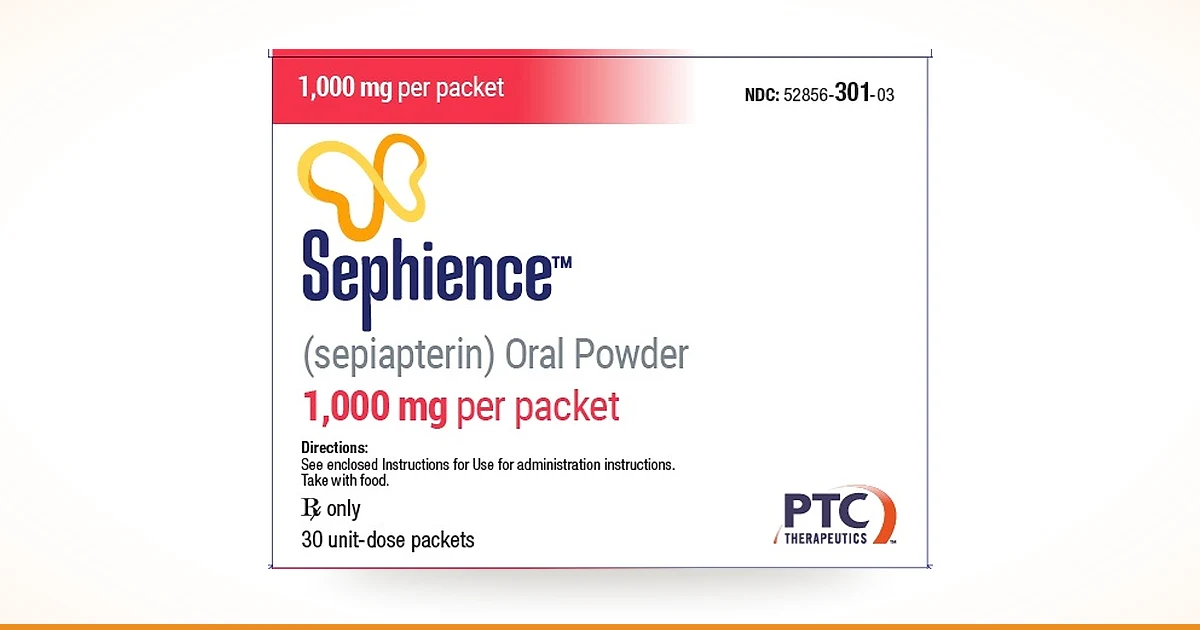
- One indication. Under the Italian label, phosphocreatine (creatine phosphate, sodium salt) has been registered since 1965, renewed in 2010; the only indication, section 4.1, is "cardioprotection in cardiac surgery by addition to cardioplegic solutions" [1]. Sport and any other use are off-label.
- It lasts minutes in the blood. The human half-life is 0.09–0.2 h (5–12 minutes); phosphocreatine breaks down to creatine, and there is 4.6 times more creatine than phosphocreatine in the blood [1, 2]. Whether the intact molecule enters cells has not been shown in humans; no transporter is known [3].
- Heart. A pooled analysis of 26 randomised trials (1,948 patients, 2018): serious arrhythmias 16 % versus 28 %, inotropic support needed in 27 % versus 44 % [10]. A new placebo-controlled trial in 120 patients (2023) found no benefit [12]; Cochrane calls the evidence in heart failure and infarction inconclusive [17].
- Sport. In a survey of 138 national-team track-and-field athletes, phosphocreatine was named by 64.5 % of those who listed their infusions — second most common [4]. The only placebo-controlled trial — 8 untrained men: total workload +5.8 % [7]. No controlled trials in athletes were found; oral creatine is far better studied [8].
- Anti-doping. Neither phosphocreatine nor creatine is on the 2026 WADA Prohibited List. The method is restricted: infusions of more than 100 mL per 12 hours outside hospital are prohibited without a therapeutic use exemption [18, 19].
What it is and in which forms
Muscle and heart cells hold their own phosphocreatine as a fast energy reserve. The enzyme creatine kinase transfers one phosphate from it to ADP (the "discharged battery") and rebuilds ATP — the cell's main battery that powers contraction: phosphocreatine + ADP → creatine + ATP [1, 20]. After a 6-second sprint the muscle's phosphocreatine store is 57 % lower, and by the tenth second it is almost exhausted [21].
Registered forms [1]:
| Form | Composition | Concentration |
|---|---|---|
| Intravenous infusion | 1 g + 50 mL solvent | 20 mg/mL |
| Intravenous infusion | 5 g + 50 mL solvent | 100 mg/mL |
| Intravenous infusion | 10 g + 100 mL solvent | 100 mg/mL |
| Intramuscular only (with local anaesthetic) | 500 mg + 4 mL solvent | 125 mg/mL |
Two ways to charge one battery
Another Italian "energy" infusion is fructose-1,6-diphosphate (Esafosfina). Both rebuild ATP by different routes [20, 22]:
- Phosphocreatine — one step, creatine kinase; one ATP per molecule at once; the fastest reserve; after infusion half of it leaves the blood in 5–12 minutes.
- Fructose-1,6-diphosphate — a link in glucose breakdown after phosphofructokinase; four ATP per molecule down the chain; in a 6-second sprint glycolysis supplied about half of the ATP [21]; half leaves the blood in 10–15 minutes.
What they share: for neither has it been shown that intact molecules enter the cells of a living person [3, 23]. Label indications are cardioprotection in surgery and confirmed low blood phosphate [1, 22].
What the label says
Indication, section 4.1 — the only one, verbatim: "Cardioprotection in cardiac surgery by addition to cardioplegic solutions." A cardioplegic solution stops the heart for the duration of surgery [1].
Contraindications and warnings, sections 4.3–4.4: allergy to phosphocreatine; 5–10 g a day must not be used in chronic kidney failure and only in selected patients for short periods; rapid intravenous injection of more than 1 g may lower blood pressure [1].
How long it lasts in the blood
The time for half of the phosphocreatine to leave the blood is 0.09–0.2 h in humans. After 5 g by slow infusion, plasma levels are below 5 nmol/mL at 40 minutes [1]. In 6 children with viral myocarditis given 2 g intravenously, the half-life of phosphocreatine was 0.24 h and that of creatine 0.83 h; the area under the curve was 79.0 h·µg/mL for creatine versus 17.2 for phosphocreatine — 4.6 times more creatine than the drug itself; whether the body's own creatine was accounted for is not stated [2]. A 2021 review: entry of phosphocreatine into cells after oral or parenteral administration is doubtful and no transporter is known; the cardiac effect is attributed not to energy but to membrane binding and reduced platelet aggregation [3].
What is known about sport
- Survey 2020–2021, 138 national-team track-and-field athletes (published 2026): 56.5 % received infusions; phosphocreatine was named by 60 of 93 who answered the question on composition (64.5 %) — the second most common, by the athletes' own account [4].
- 2005, 110 footballers: some with metabolic disturbances were given phosphocreatine or ATP; dose, route and controls are not stated — only a registration card and a dissertation abstract were found [5].
- 1997, review, cyclists: 2–4 g a day intravenously, faster recovery; no trial reference [6].
- 1996, 8 untrained men: intravenous injection versus placebo — total workload +5.8 %, workload to lactate accumulation +6.8 % [7].
Trials in athletes found in PubMed: 0.
Oral creatine, by the position of the International Society of Sports Nutrition (2017), reliably raises muscle creatine and improves performance in short, powerful efforts; up to 30 g a day for up to 5 years is safe in healthy people [8]. Oral phosphocreatine with blueberry extract (28 days, 33 men, 2021): peak torque 99.9 → 119.2 N·m versus 99.95 → 112.0 on creatine and no significant gain on placebo; the formula's developer is a co-author [9].
Cardiac surgery
Pooled analysis 2018 — 26 randomised trials, 1,948 adults and children: serious arrhythmias 16 % versus 28 %; inotropic support 27 % versus 44 %; spontaneous return of rhythm 50 % versus 34 %. Cardiac injury markers and contractility — small differences; mortality not given in the abstract [10].
Pooled analysis 2016 — 41 studies (9 non-randomised), including ischaemic heart disease and heart failure: pooled odds of death 29 % lower; crude totals 3.5 % versus 10.6 %. The headline figure is borderline; the authors call for a large trial [11].
Trial 2023 — 120 valve-surgery patients, double-blind, placebo, same author group: troponin I 10,508 versus 11,328 pg/mL, 30-day deaths 0 versus 1 — no benefit found [12].
Other conditions
- Myocardial infarction, 60 patients, 1988: fewer arrhythmias in 24 hours — ventricular premature beats 690 versus 2,468; small trial [13].
- Coronary stents, 400 patients, 2015: cardiac injury marker rise 8 % versus 19 %; 3-day course without placebo, figures in the abstract are internally inconsistent [14].
- Myocarditis, 1,116 patients, 2025: "overall efficacy" 1.22 times higher; 9 trials from one country, signs of unpublished negative studies [15].
- Chemotherapy in children, 68 patients, 2016: no difference from control; high risk of bias [16].
- Cochrane, 1,474 patients, 2011: evidence in heart failure and infarction inconclusive; rhythm and breathlessness possibly better [17].
Where it was used: Italy (heart failure, 13 patients, 1996) [24]; United Kingdom (valve replacement, 50 patients: spontaneous rhythm return 40 % versus 8 %, arrhythmias 8 % versus 32 %) [25]; Poland (bypass surgery, 40 patients) [26]; Czech Republic (infarction in the elderly, 50 patients) [27]; China (myocarditis, 2025 pooled analysis) [15].
What WADA says
Neither phosphocreatine nor creatine appears on the 2026 Prohibited List — a search returns 0 matches; section S0 (non-approved substances) does not apply because the drug is registered in Italy [18]. Method M2.2 is prohibited: "intravenous infusions and/or injections of more than a total of 100 mL per 12-hour period except for those legitimately received in the course of hospital treatments, surgical procedures or clinical diagnostic investigations" [19]. The solvent for a 1 g or 5 g vial is 50 mL: one vial fits the limit, two vials are exactly 100 mL, and any line flush exceeds it. More than 100 mL outside hospital requires a therapeutic use exemption (TUE). An injection by syringe is not prohibited if the substance is permitted and the volume stays within 100 mL per 12 hours [18].
Safety
Per the label: allergy and urticaria (frequency unknown); rapid intravenous injection of more than 1 g may lower blood pressure; 5–10 g a day loads calcium metabolism and its hormones, the kidneys and purine metabolism, and is contraindicated in chronic kidney failure. Sodium: 180 mg per 1 g vial, 900 mg per 5 g vial [1]. In the 2023 trial, post-operative creatinine was 100 versus 99.5 µmol/L (1.13 versus 1.13 mg/dL) [12]; in myocarditis, adverse reactions were about equal, 1.07 to 1 [15]. No safety data in athletes have been published.
Bottom line
Phosphocreatine is a drug with one indication: an additive to the solution that stops the heart during surgery. Pooled small trials show fewer arrhythmias after surgery, a new placebo-controlled trial found no benefit, and Cochrane calls the evidence inconclusive. It lasts minutes in the blood and breaks down to creatine; cell entry is in doubt. There are no controlled trials in athletes — oral creatine is better studied. WADA bans not the molecule but more than 100 mL of infusions per 12 hours outside hospital. Prescribing is a doctor's decision.
References
1. Summary of product characteristics, Italian Medicines Agency (AIFA), 04.04.2026. https://api.aifa.gov.it/aifa-bdf-eif-be/1.0.0/organizzazione/4375/farmaci/020502/stampati?ts=RCP
2. Sun Z, et al. Pharmacokinetics of phosphocreatine in children with viral myocarditis. 2019. PMID 31013362.
3. Balestrino M. Role of creatine in the heart: health and disease. Nutrients. 2021. https://pmc.ncbi.nlm.nih.gov/articles/PMC8067763/
4. Bezuglov E, et al. Intravenous infusions in elite track-and-field athletes: anonymous survey. Front Sports Act Living. 2026. PMID 42440853.
5. Levchenko, 2005. Dissertation abstract, 110 footballers. https://uacademic.info/en/document/0405U000622
6. Clark JF. Creatine and phosphocreatine: a review of their use in exercise and sport. J Athl Train. 1997. https://pmc.ncbi.nlm.nih.gov/articles/PMC1319235/
7. Vorobiev DV, et al. Phosphocreatine and physical performance in untrained men. Eur J Appl Physiol. 1996. PMID 8971495.
8. Kreider RB, et al. ISSN position stand: creatine supplementation. J Int Soc Sports Nutr. 2017. PMID 28615996.
9. Anders JPV, et al. Oral phosphocreatine with blueberry extract: randomized trial. J Int Soc Sports Nutr. 2021. PMID 34503541.
10. Mingxing F, Landoni G, et al. Phosphocreatine in cardiac surgery: meta-analysis of 26 RCTs. J Cardiothorac Vasc Anesth. 2018. PMID 29409711.
11. Landoni G, et al. Phosphocreatine and mortality: meta-analysis of 41 studies. Interact Cardiovasc Thorac Surg. 2016. PMID 27318357.
12. Lomivorotov V, et al. Phosphocreatine in valve surgery: randomized placebo-controlled trial, NCT02757443. BMC Anesthesiol. 2023. PMID 38030971.
13. Ruda MY, et al. Phosphocreatine in acute myocardial infarction. Am Heart J. 1988. PMID 2456682.
14. Ke-Wu D, et al. Phosphocreatine after coronary stenting. Angiology. 2015. PMID 24368725.
15. Wang Y, et al. Phosphocreatine in viral myocarditis: meta-analysis of 9 trials. PLoS One. 2025. PMID 39854433.
16. Cheuk DK, et al. Creatine and its analogues for cardiotoxicity of chemotherapy in children: Cochrane review. 2016. PMID 27552363.
17. Horjus DL, et al. Creatine and creatine analogues in hypertensive and heart failure patients: Cochrane review. 2011. PMID 22071819.
18. WADA, Prohibited List. https://www.wada-ama.org/en/prohibited-list
19. WADA, 2026 Prohibited List (PDF). https://www.wada-ama.org/sites/default/files/2025-09/2026list_en_final_clean_september_2025.pdf
20. Baker JS, et al. Energy systems of muscle. J Nutr Metab. 2010. PMID 21188163.
21. Gaitanos GC, et al. Human muscle metabolism during intermittent maximal exercise. J Appl Physiol. 1993. PMID 8226473.
22. Fructose-1,6-diphosphate summary of product characteristics, AIFA. https://api.aifa.gov.it/aifa-bdf-eif-be/1.0.0/organizzazione/3602/farmaci/8783/stampati?ts=RCP
23. Ehringer WD, et al. Membrane permeability to phosphocreatine, human umbilical cells in vitro. Mol Cell Biochem. 2000. PMID 10976756.
24. Ferraro S, et al. Phosphocreatine in heart failure: double-blind crossover. Clin Cardiol. 1996. PMID 8874988.
25. Chambers DJ, et al. Creatine phosphate in valve replacement. Ann Thorac Surg. 1996. PMID 8561641.
26. Cisowski M, et al. Creatine phosphate in coronary bypass surgery. J Cardiovasc Surg. 1996. PMID 10064355.
27. Weber P, et al. Phosphocreatine in elderly patients with myocardial infarction. Cas Lek Cesk. 1995. PMID 7712526.
Draft prepared with a language model from 27 primary sources; every figure is referenced. Reviewed and edited by Vladimir Pereligyn, MD, endocrinologist. Educational material; it does not replace a medical consultation.
Key facts
- One indication. Under the Italian label, phosphocreatine (creatine phosphate, sodium salt) has been registered since 1965, renewed in 2010; the only indication, section 4.1, is "cardioprotection in cardiac surgery by addition to cardioplegic solutions" [1]. Sport and any other use are off-label.
- It lasts minutes in the blood. The human half-life is 0.09–0.2 h (5–12 minutes); phosphocreatine breaks down to creatine, and there is 4.6 times more creatine than phosphocreatine in the blood [1, 2]. Whether the intact molecule enters cells has not been shown in humans; no transporter is known [3].
- Heart. A pooled analysis of 26 randomised trials (1,948 patients, 2018): serious arrhythmias 16 % versus 28 %, inotropic support needed in 27 % versus 44 % [10]. A new placebo-controlled trial in 120 patients (2023) found no benefit [12]; Cochrane calls the evidence in heart failure and infarction inconclusive [17].
- Sport. In a survey of 138 national-team track-and-field athletes, phosphocreatine was named by 64.5 % of those who listed their infusions — second most common [4]. The only placebo-controlled trial — 8 untrained men: total workload +5.8 % [7]. No controlled trials in athletes were found; oral creatine is far better studied [8].
- Anti-doping. Neither phosphocreatine nor creatine is on the 2026 WADA Prohibited List. The method is restricted: infusions of more than 100 mL per 12 hours outside hospital are prohibited without a therapeutic use exemption [18, 19].