What Is Insulin Resistance
Insulin resistance is a condition where cells in the body stop responding normally to insulin. Insulin is the key hormone that "opens the doors" of cells for glucose.
With insulin resistance, those doors get stuck. Glucose cannot enter cells and accumulates in the blood. The pancreas starts producing more and more insulin to "push" glucose into cells.
The Vicious Cycle
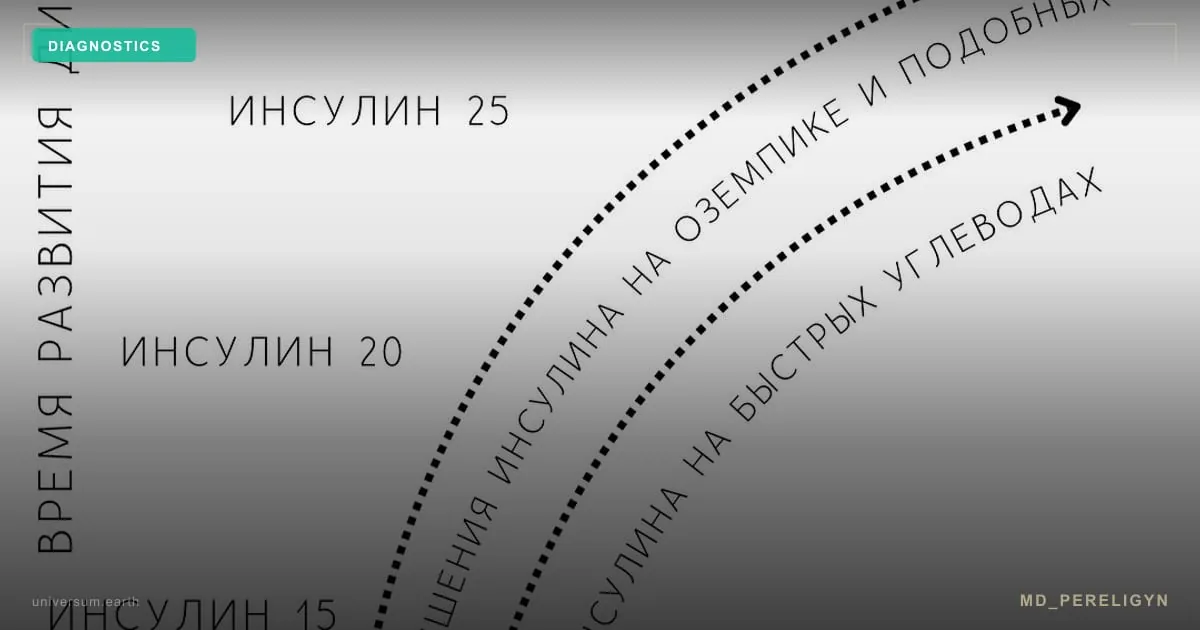
High insulin → cells "close" even tighter → pancreas produces even more insulin → resistance worsens.
This vicious cycle continues for years. First — prediabetes. Then — type 2 diabetes. If the cycle isn't broken, the pancreas becomes exhausted, and the person needs external insulin. The earlier you intervene, the easier reversal becomes — see my guide on how to reverse prediabetes.
Why Standard Medications Don't Help
Metformin partially reduces insulin resistance but doesn't eliminate it completely — see my evidence-based comparison of berberine vs metformin for details on mechanism overlap. Sulfonylureas (glimepiride, glibenclamide) force the pancreas to produce even more insulin — this makes the problem worse.
Insulin therapy for type 2 diabetes is a last resort. Injecting external insulin when your own insulin is already high further blocks cell receptors.
How to Diagnose Insulin Resistance
Standard glucose and HbA1c tests don't directly show insulin resistance. Specific tests are needed:
HOMA-IR Index — the gold standard diagnostic test most doctors don't order. Calculated using the formula: (fasting insulin × fasting glucose) / 22.5. Normal is below 2.5.
Fasting insulin — should be below 10 μIU/mL. Above 15 indicates significant resistance.
C-peptide — shows how much insulin the pancreas produces. High C-peptide + high blood sugar = insulin resistance.
| Marker | Value |
|---|---|
| HOMA-IR (normal) | < 2.5 |
| Fasting insulin (normal) | < 10 μIU/mL |
| Fasting insulin (resistance) | > 15 μIU/mL |
Consequences of Ignoring It
Insulin resistance isn't just about diabetes. It causes:
- Obesity (high insulin blocks fat breakdown)
- Hypertension (insulin retains sodium)
- Atherosclerosis (vascular damage)
- Non-alcoholic fatty liver disease (fat accumulation in the liver)
- Polycystic ovary syndrome in women
How to Eliminate Insulin Resistance
The md_pereligyn protocol is specifically designed to eliminate insulin resistance. Three key approaches:
Reducing insulin load. This isn't fasting — it's strategic nutrition that minimizes insulin spikes.
Increasing cell sensitivity. Targeted nutraceuticals, physical activity, sleep optimization.
Restoring metabolic flexibility. The body's ability to switch between energy sources (glucose/fats).
Results
When insulin resistance is eliminated, a cascade of positive changes occurs:
- Blood sugar normalizes without medication
- Weight decreases naturally (14 kg on average)
- Blood pressure normalizes
- Energy returns
The First Step
Start with diagnostics. Get your fasting insulin tested and calculate your HOMA-IR index. If it's above 2.5, you have insulin resistance.
During a consultation, we'll analyze your results and create a personalized plan to eliminate insulin resistance.
Key facts
- Insulin resistance: cells stop responding to insulin, so glucose can't enter and accumulates in the blood.
- Vicious cycle: high insulin worsens resistance, progressing from prediabetes to type 2 diabetes.
- HOMA-IR index = (fasting insulin × fasting glucose) / 22.5; normal is below 2.5.
- Fasting insulin should be below 10 μIU/mL; above 15 indicates significant resistance.
- Insulin resistance causes obesity, hypertension, atherosclerosis, fatty liver disease and PCOS.