Prediabetes: The Window of Opportunity
Prediabetes is diagnosed when your blood sugar is higher than normal but hasn't yet reached the diabetes threshold. By standard criteria: fasting glucose 100-125 mg/dL or HbA1c 5.7-6.4%.
Here's what most doctors won't tell you: prediabetes isn't just a "warning sign." It means insulin resistance is already well-established, your pancreas is already working overtime, and metabolic damage is already occurring.
The flip side: prediabetes is also the easiest stage to reverse. In my clinical practice, 95%+ of prediabetes patients achieve complete reversal within 2-3 months.
Why Standard Advice Falls Short
The standard medical response to prediabetes is: "Lose weight, exercise more, come back in 6 months." While directionally correct, this advice is frustratingly vague. How much weight? What kind of exercise? What should you eat?
Worse, many patients are told to "just watch it" — essentially waiting for the disease to progress to diabetes before taking action. This is a missed opportunity of staggering proportions.
Step 1: Get the Right Tests
Standard prediabetes diagnosis relies on fasting glucose and HbA1c. These are necessary but insufficient. To understand your specific metabolic picture, you need:
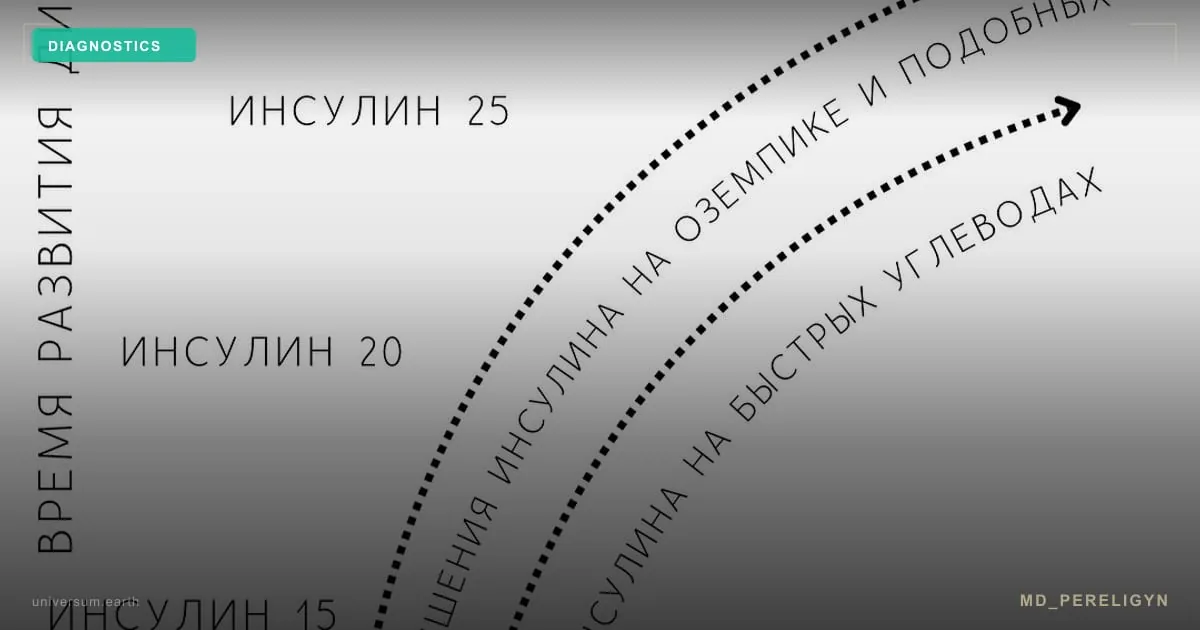
Fasting insulin — this is the single most important test that most doctors don't order. Normal fasting insulin is 2-8 μIU/mL. Many prediabetic patients have fasting insulin of 15-30+ μIU/mL — a clear sign of compensatory hyperinsulinemia. See why this HOMA-IR diagnostic test is routinely skipped despite being decisive for early reversal.
HOMA-IR index — calculated from fasting insulin and glucose. Normal is below 1.5. Above 2.5 indicates insulin resistance. Most prediabetic patients score 3-6.
C-peptide — measures your pancreas's insulin production. High C-peptide in prediabetes is actually good news — it means your beta cells are still functioning well.
Inflammatory markers (hs-CRP, IL-6) — chronic inflammation drives insulin resistance. Addressing inflammation accelerates reversal.
Vitamin D, magnesium, chromium levels — deficiencies in these nutrients are directly linked to impaired insulin signaling.
Step 2: Targeted Nutrition
Prediabetes reversal doesn't require extreme dieting. It requires strategic changes:
Reduce refined carbohydrates — white bread, pasta, rice, sugary drinks. These cause rapid insulin spikes that worsen resistance.
Increase protein and healthy fats — they provide satiety without insulin spikes. Aim for 1.2-1.6g protein per kg bodyweight.
Time-restricted eating — eat within an 8-10 hour window. This gives insulin time to drop, allowing cells to resensitize.
Anti-inflammatory foods — fatty fish (omega-3), olive oil, berries, turmeric, green vegetables.
Step 3: Supplement Deficiencies
Based on your blood work, targeted supplementation can significantly accelerate prediabetes reversal:
| Supplement | Dose |
|---|---|
| Magnesium glycinate | 200-400 mg |
| Berberine | 500-1500 mg/day |
| Chromium picolinate | 200-1000 mcg |
| Vitamin D | 2000-5000 IU |
Magnesium glycinate (200-400 mg) — meta-analyses show it improves HOMA-IR in insulin-resistant individuals (Simental-Mendia et al., Pharmacological Research, 2016).
Berberine (500-1500 mg/day) — activates AMPK, improving insulin sensitivity. Comparable to metformin in clinical trials — see the head-to-head comparison of berberine vs metformin.
Chromium picolinate (200-1000 mcg) — reduces HbA1c by 0.6% and fasting glucose by 1.0 mmol/L (Abdollahi et al., Nutrition Research, 2013).
Vitamin D (2000-5000 IU) — if deficient. Low vitamin D is strongly associated with insulin resistance.
Step 4: Movement That Works
You don't need marathon training. What works for insulin resistance:
Walking after meals — even 15 minutes post-meal significantly blunts glucose spikes.
Resistance training — 2-3x/week. Building muscle increases glucose disposal and improves insulin sensitivity.
Consistency over intensity — 30 minutes daily is better than one intense session per week.
Results: What to Expect
From my practice of 500+ patients (including many who started at the prediabetes stage):
- 95%+ of prediabetes patients achieve complete reversal
- Average time to reversal: 2.1 months
- HOMA-IR drops from 4-6 to below 2.0
- Weight loss: typically 5-8 kg in the first 2-3 months
- Energy and sleep quality improve within the first 2-3 weeks
The Cost of Waiting
Without intervention, 37% of people with prediabetes progress to type 2 diabetes within 4 years (CDC data). Once diabetes develops, reversing type 2 diabetes is still possible (85% in my practice), but it takes longer and requires more intensive intervention.
Catching it at the prediabetes stage is the single best investment in your metabolic health. The window is open — take it.
Your Next Step
Get your fasting insulin and HOMA-IR tested. If your HOMA-IR is above 2.5, you have insulin resistance that needs addressing — regardless of what your glucose and HbA1c say.
A consultation can help create a personalized reversal plan based on your specific biomarkers. Prediabetes reversal isn't just possible — it's the expected outcome with the right approach.
Key facts
- Prediabetes: fasting glucose 100-125 mg/dL (5.6-6.9 mmol/L) or HbA1c 5.7-6.4%.
- Fasting insulin normal is 2-8 μIU/mL; many prediabetics run 15-30+ μIU/mL.
- HOMA-IR normal is below 1.5; above 2.5 indicates insulin resistance; most prediabetics score 3-6.
- Chromium picolinate 200-1000 mcg reduces HbA1c by 0.6% and fasting glucose by 1.0 mmol/L.
- Without intervention, 37% of people with prediabetes progress to type 2 diabetes within 4 years (CDC).