Introduction: an ancient spice in the era of meta-analyses
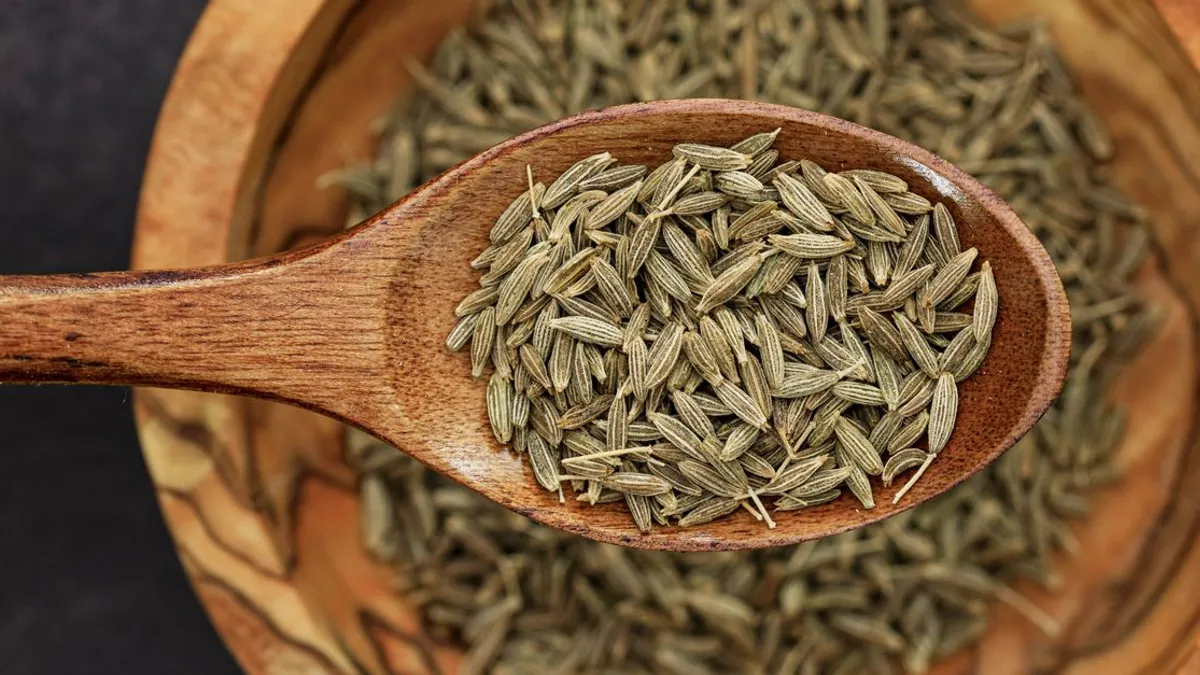
Nigella sativa seeds — habba sauda, black cumin — have been used in Middle Eastern and Ayurvedic medicine for more than two thousand years. Hippocrates described them for liver and digestive disease, Avicenna for respiratory and metabolic disorders. The plant returned to modern medicine through biochemistry: its oily fraction contains thymoquinone (TQ) — a small lipophilic molecule with proven antioxidant, anti-inflammatory, immunomodulatory, and endocrine activity.
In addition to the recent reel on @md_pereligyn_thyroid, this review opens up the key effects of Nigella sativa in greater depth: what is shown in the RCTs, which mechanism is at work, who is a good candidate, and who should avoid it.
🌀
Antioxidant and mitochondrial protection
Oxidative stress is the common denominator of most chronic diseases: atherosclerosis, neurodegeneration, type 2 diabetes, infertility, premature aging. Thymoquinone belongs to the rare class of direct antioxidants with regenerative restoration of the glutathione system.
Specific markers in RCTs at doses of 1–2 g/day for 8–12 weeks:
| Marker | Change |
|---|---|
| MDA (lipid peroxidation) | −28–35% |
| GPx1 | +24% |
| SOD | +19% |
| Catalase | +22% |
| TAC | +17% |
▸Malondialdehyde (MDA, marker of lipid peroxidation) — reduction by 28–35% ▸Glutathione peroxidase 1 (GPx1) — increase in activity by 24% ▸Superoxide dismutase (SOD) — increase by 19% ▸Catalase — increase by 22% ▸Total antioxidant capacity (TAC) — increase by 17%
Molecular mechanism: thymoquinone acts as a direct acceptor of hydroxyl and peroxyl radicals (donates an electron from the quinone structure) and in parallel induces the Nrf2/ARE signaling pathway — the cellular “switch” for antioxidant defense, which increases expression of GPx, SOD, catalase, heme oxygenase-1, and NAD(P)H:quinone oxidoreductase 1.
Clinical scenarios where this is especially valuable: recovery after surgical interventions, chronic viral infections (EBV, CMV, HPV), radio- and chemotherapy (as support, not replacement), persistent fatigue against normal routine labs, post-COVID syndrome. For patients with ferritin > 300 μg/L and a confirmed Fenton reaction (see the article on ferritin and the liver), black cumin as part of an antioxidant protocol is justified.
🌀
Immunomodulation
The immunomodulatory action of Nigella sativa is confirmed beyond Hashimoto. The mechanism is centered on NF-κB suppression and the related proinflammatory cytokines:
▸TNF-α — reduction by 22–30% ▸IL-6 — reduction by 18–28% ▸IL-1β — reduction by 15–25% ▸C-reactive protein (hsCRP) — reduction by 30–45% ▸IFN-γ / IL-4 (Th1/Th2) — balanced ratio ▸Th17 (IL-17A) — reduced activity in autoimmune models
Unlike glucocorticoids, which suppress the entire immune response, thymoquinone modulates: it suppresses aberrantly activated Th1 and Th17 responses (characteristic of Hashimoto, multiple sclerosis, autoimmune arthritides), preserves normal Treg function, and does not impair the anti-infective response. That makes it suitable for long-term use in chronic inflammatory conditions without the risk of opportunistic infections.
Clinical indications where this fits as part of a holistic protocol: Hashimoto autoimmune thyroiditis, Graves disease (as immunomodulatory background to the primary therapy), chronic rhinosinusitis, bronchial asthma (RCTs show symptom relief and reduced inhaled corticosteroid dose), chronic inflammatory dermatoses (psoriasis, eczema — topical preparations), persistently elevated hsCRP without an identified source of inflammation.
🌀
How to take it
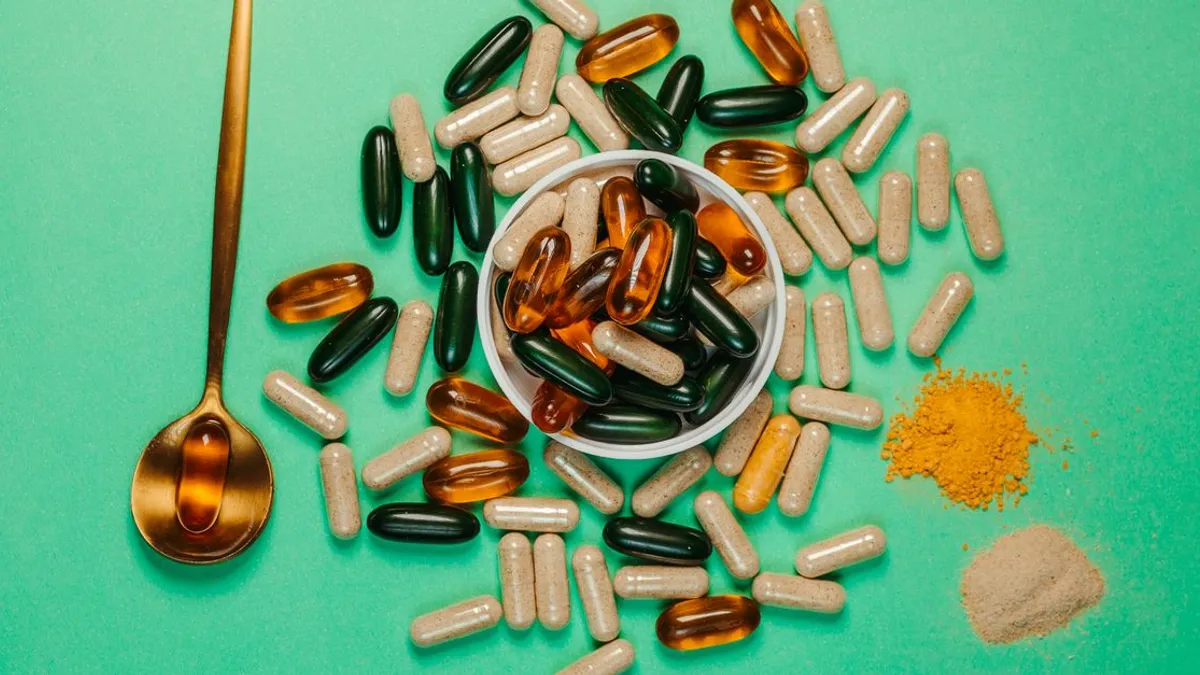
Form matters. Whole seeds contain TQ at about 0.1–0.5% — for a therapeutic dose one would have to eat 20–40 g of seeds per day, which is unrealistic. Freshly pressed cold-pressed oil has higher TQ concentration (0.3–1%), but it is unstable, oxidizes in light and air, and loses up to 50% of activity over 3 months of storage. An encapsulated standardized extract is the optimal form: precise dosing, protection from oxidation, and convenient administration.
Practical protocol:
▸Dose — 1000–2000 mg/day of standardized extract (containing ≥0.5% thymoquinone) or 2.5–5 mL of cold-pressed oil in capsules. Start at a minimum dose of 500 mg once daily; titrate up to the target dose after 7 days if well tolerated. ▸Frequency — 1–2 times per day, in the morning with breakfast and/or with lunch. Capsules, not oil neat (oral oil without a capsule causes heartburn in some patients). ▸With food — containing fat (avocado oil, olive oil, nuts). TQ is a lipophilic molecule; absorption increases 2–3 fold with fat. ▸Course length — 8–16 weeks of continuous use. Effects on lipids and glycemia are maximal by week 12. Effects on TPO-Ab are assessed at 16 weeks. ▸Cycling — after 3 months of use, take a 1-month break to assess autonomous dynamics and prevent receptor adaptation. Then, if the indication persists, repeat the cycle. ▸Monitoring — biochemistry (lipids, glucose, HbA1c, ALT, AST) at baseline and at 12 weeks. In Hashimoto — TSH, free T3, free T4, TPO-Ab at baseline and at 16 weeks.
Md_Pereligyn Virgin Black Seed Oil 60 capsules with TimeWaver Enhanced is available in the universum.earth shop — our selected cold-pressed option with confirmed thymoquinone concentration and cellular-frequency harmonization.
Conflict-of-interest disclosure: this product is sold under the Md_Pereligyn own brand and is part of the universum.earth product line. The recommendation is based on clinical experience and quality-standard compliance; the author's financial interest in the sale is declared explicitly. Any standardized Nigella sativa extract containing ≥0.5% thymoquinone with an independent certificate of analysis is clinically equivalent.
🌀
Caution
Black cumin is a pharmacologically active preparation with interactions and contraindications. Do not ignore them.
▸Anticoagulants (warfarin, apixaban, rivaroxaban) — TQ potentially potentiates antiplatelet effects. With concurrent use, monitor INR or anti-Xa, exercise caution around invasive procedures. ▸Glycemic agents (metformin, sulfonylureas, insulin) — synergistic effect, risk of hypoglycemia. Dose adjustment under glucose monitoring is required. ▸Antihypertensives — synergistic blood pressure reduction. Patients on therapy require monitoring and possible dose adjustment. ▸Immunosuppressants (cyclosporine, tacrolimus, methotrexate) — theoretical reduction in effectiveness through the opposing immunomodulatory action. In transplant patients and active autoimmune disease on immunosuppression, only with treating physician approval. ▸Pregnancy and lactation — data are insufficient; not recommended. ▸Active Hashimoto autoimmune thyroiditis — monitor TPO-Ab every 8–12 weeks: the effect may be pronounced and requires dose adjustment of levothyroxine or Thyroid-S as thyroid function shifts. ▸Ranunculaceae family allergy — individual hypersensitivity is rare but possible. Start with the minimum dose.
🌀
About the author
I am Dr. Vladimir Pereligyn, an endocrinologist and researcher specializing in holistic protocols for metabolic, endocrine, and autoimmune conditions. I tailor phytotherapy regimens (including Nigella sativa) individually, accounting for current therapy, comorbidities, and laboratory data.
Book a consultation — universum.earth/consultation. Subscribe to daily clinical reviews — @md_pereligyn.
This article is for informational purposes only and is not a substitute for professional medical advice. Discuss any nutraceutical, medication adjustment, or diagnostic procedure with your treating physician before starting.
Key facts
- Thymoquinone (TQ) is lipophilic; absorption increases 2–3 fold when taken with fat.
- In RCTs at 1–2 g/day for 8–12 weeks: MDA −28–35%, GPx1 +24%, SOD +19%, catalase +22%.
- Immunomodulation via NF-κB suppression: TNF-α −22–30%, IL-6 −18–28%, hsCRP −30–45%.
- Protocol: 1000–2000 mg/day standardized extract with ≥0.5% thymoquinone, 8–16 week course.
- After 3 months of use, take a 1-month break; in Hashimoto check TPO-Ab at 16 weeks.