Plain-language note: what a full cup of berries gives you
One cup
A full cup is about 150 g of berries.
- fresh or frozen
- in yoghurt or kefir at breakfast
- instead of sweet pastry
Half is not enough
In the trial half a cup did not help.
- you need a full cup
- every day beats now and then
- the guide is the amount
Blood vessels
Vessels dilated better.
- this was the main result
- seen over six months
- supports blood flow
Artery stiffness
One measure of artery stiffness got better.
- another measure did not change
Blood pressure
Results for blood pressure differ.
- it fell in women after menopause
- it did not change in the six-month trial
- do not count on it
Making it a habit
Tie it to breakfast.
- a bag of berries in the freezer
- a cup into a bowl of yoghurt
- that is how the habit lasts
What berries do not replace
Treatment stays with your doctor.
- blood pressure, sugar and cholesterol stay under medical care
- prescribed treatment is not stopped
Important. Important: prescribed treatment is not changed on your own.
When to see a doctor
If blood pressure stays high, or with chest pain, shortness of breath or swelling.
- berries do not replace an exam
Key points
One full cup of blueberries a day is a simple habit that helps blood vessels dilate better. In adults with disturbed metabolism this was shown over six months, and the benefit appeared only with a full cup, about 150 g. One measure of artery stiffness also improved. Berries are sold fresh and frozen, and need no preparation.
| What | How much | How it helps | What studies showed |
|---|---|---|---|
| Vessel dilation | A cup, about 150 g a day; powder made from berries in the trial | Vessels respond better to demand | 115 adults with metabolic syndrome, 6 months: brachial artery dilation rose by 1.45 percentage points versus 0.39 on placebo (difference 1.06) |
| Artery stiffness | The same cup | One measure improved | Augmentation index −2.24 versus +0.24 on placebo; pulse wave velocity did not change |
| Half a cup | About 75 g | No effect shown | The same 115 people: neither vessels nor artery stiffness improved |
| Blood pressure | 22 g of freeze-dried berry powder | Lower pressure | 48 postmenopausal women with raised blood pressure, 8 weeks: systolic 138 → 131 mm Hg, diastolic 80 → 75 |
| "Good" cholesterol (HDL) | A cup | Higher HDL | 71 people not taking cholesterol-lowering medicine: higher by 0.08 mmol/L (3 mg/dL) |
How to use it
Keep a bag of berries in the freezer and put a cup into a bowl of yoghurt or kefir instead of sweet pastry. A habit tied to breakfast sticks better than "I will eat blueberries when I remember". A cup is about 150 g.
The trials gave powder from dried blueberries equal to a cup of berries. Fresh and frozen berries were not compared directly in these trials, so the main guide is the amount.
What the studies showed
In the longest human trial, 115 adults with a mean age of 63 and metabolic syndrome received for six months a powder from dried blueberries equal to 150 g of berries, or 75 g, or placebo. With the full cup vessel dilation rose by 1.45 percentage points versus 0.39 on placebo (difference 1.06), and the augmentation index fell by 2.24 versus a rise of 0.24 on placebo. Half a cup improved neither vessels nor artery stiffness, and triglycerides rose against placebo (p = 0.01) (Curtis P Am J Clin Nutr 2019. PMID 31136659[1]).
In 71 participants who were not taking cholesterol-lowering medicine, "good" cholesterol (HDL) was higher on the full cup by 0.08 mmol/L (3 mg/dL) (Curtis P Am J Clin Nutr 2019. PMID 31136659[1]).
In 48 postmenopausal women with raised blood pressure, 22 g of freeze-dried blueberry powder lowered systolic pressure from 138 to 131 mm Hg and diastolic from 80 to 75 over 8 weeks, while the control group did not change (Johnson S J Acad Nutr Diet 2015. PMID 25578927[2]).
These are different trials with different people and durations, which is why pressure fell in one and did not change in the six-month trial. The cup of blueberries was most reliable for blood vessels; do not rely on it for blood pressure or insulin resistance.
A real-life example
Picture a person in their sixties with excess weight and disturbed metabolism, like the trial participants. They do not rebuild their life: every morning they eat a cup of berries in yoghurt. That is what was done for six months in the trial, and participants ate 94.1% of the portions they were given (by returned wrappers). So the habit is doable, and people keep it.
What "vessels dilate better" means
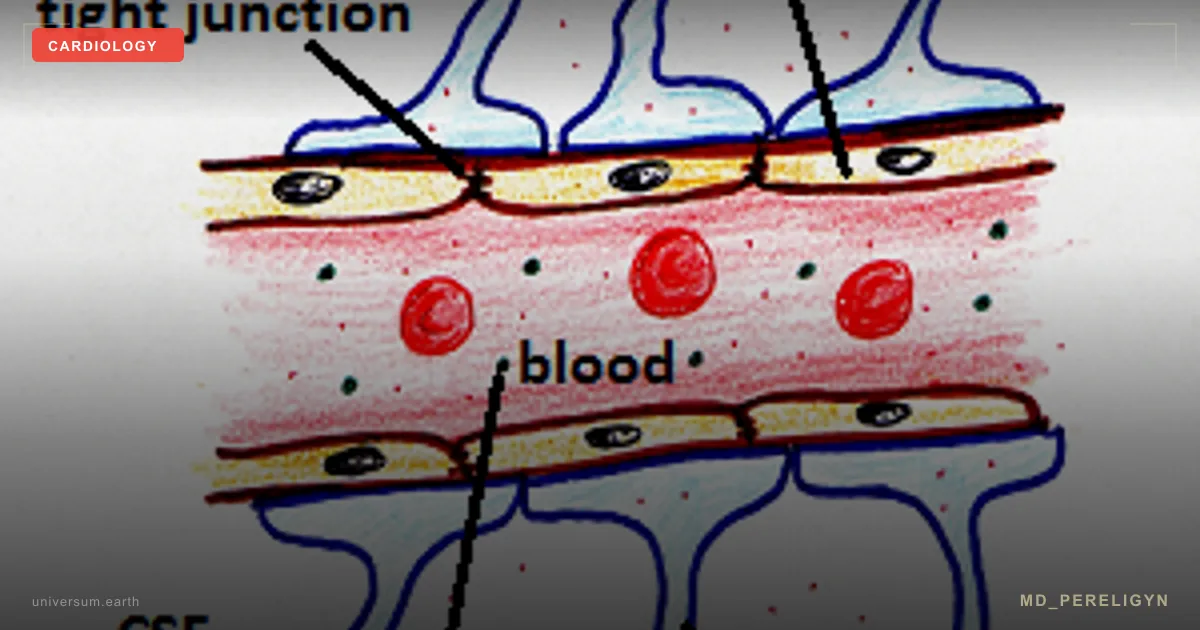
A thin layer of cells lines the inside of a vessel. When the body needs more blood, it helps the artery widen. Doctors test this with ultrasound: a cuff squeezes the upper arm, is released, and they see how far the artery opens. The better it opens, the better this layer works. A rise of 1.45 percentage points is a modest but measurable shift in people whose metabolism is already disturbed.
What not to expect
Do not expect quick results: the trial assessed changes after six months. Do not expect half a cup to give "at least something": in the trial half a cup showed no effect. Do not expect lower blood pressure or insulin resistance: in the six-month trial they did not change. And do not expect berries to replace exercise, sleep and work on blood pressure.
Who these data apply to
Participants in the six-month trial were adults aged 63 ± 7, 68% men, body mass index about 31 kg/m², with metabolic syndrome. The blood pressure trial had 48 postmenopausal women. Such studies did not examine these measures in young and healthy people, so the numbers should not be carried over to them.
Who should see a doctor first
Blood pressure, sugar, cholesterol and prescribed treatment stay with your doctor: berries do not replace them, and treatment is not changed on your own. See a doctor if blood pressure stays high on repeat measurements, or with chest pain, shortness of breath or swelling.
Bottom line
A full cup of blueberries a day is a tasty habit with which blood vessels worked better in a six-month trial. Half a cup was not enough, and blood pressure did not change in that trial.
References
- Curtis P Am J Clin Nutr 2019. PMID 31136659
- Johnson S J Acad Nutr Diet 2015. PMID 25578927
Key facts
- One full cup of blueberries a day (powder equal to 150 g of berries) for 6 months: in 115 adults with metabolic syndrome, vessel dilation rose by 1.45 percentage points versus 0.39 on placebo, a difference of 1.06 (Curtis P Am J Clin Nutr 2019. PMID 31136659).
- Half a cup (75 g) in the same trial improved neither vessels nor artery stiffness, and triglycerides rose against placebo (p = 0.01) (Curtis P Am J Clin Nutr 2019. PMID 31136659).
- The augmentation index, one measure of artery stiffness, fell by 2.24 percentage points versus a rise of 0.24 on placebo; blood pressure, insulin resistance and pulse wave velocity did not change (Curtis P Am J Clin Nutr 2019. PMID 31136659).
- In 48 postmenopausal women with raised blood pressure, 22 g of freeze-dried blueberry powder lowered systolic pressure from 138 to 131 mm Hg and diastolic from 80 to 75 over 8 weeks; the control group did not change (Johnson S J Acad Nutr Diet 2015. PMID 25578927).
- A cup of berries weighs about 150 g; the six-month trial was funded by the US Highbush Blueberry Council (Curtis P Am J Clin Nutr 2019. PMID 31136659).