06 Biohacking
06 · Biohacking

Sleep optimisation

Targeted tuning of circadian rhythms, sleep hygiene and routine for deep recovery.

Duration

Days 13–18 of the programme

Led by

Sleep coach, medical director

Location

06 · Biohacking

About the procedure

Sleep optimisation is the foundation of any biohacking programme, because sleep is the principal recovery mechanism for the brain, endocrine and immune systems. Without good-quality sleep the remaining interventions deliver only 30% of their potential.

The programme draws on data from villa 01 (Oura/Whoop tracks) and builds an individual plan: bedtime and wake time adjusted for chronotype, a light-exposure protocol (bright morning light at 10,000 lux, evening blue-light reduction, blackout overnight) and body temperature management (a cool bedroom at 18–20°C).

Additional tools: an evening routine (a warm shower 90 minutes before bed to induce a drop in core body temperature), magnesium glycinate 200–400 mg, and in rare cases low-dose melatonin (0.3–1 mg, not the 5–10 mg seen in over-the-counter supplements). Caffeine — final dose before 14:00.

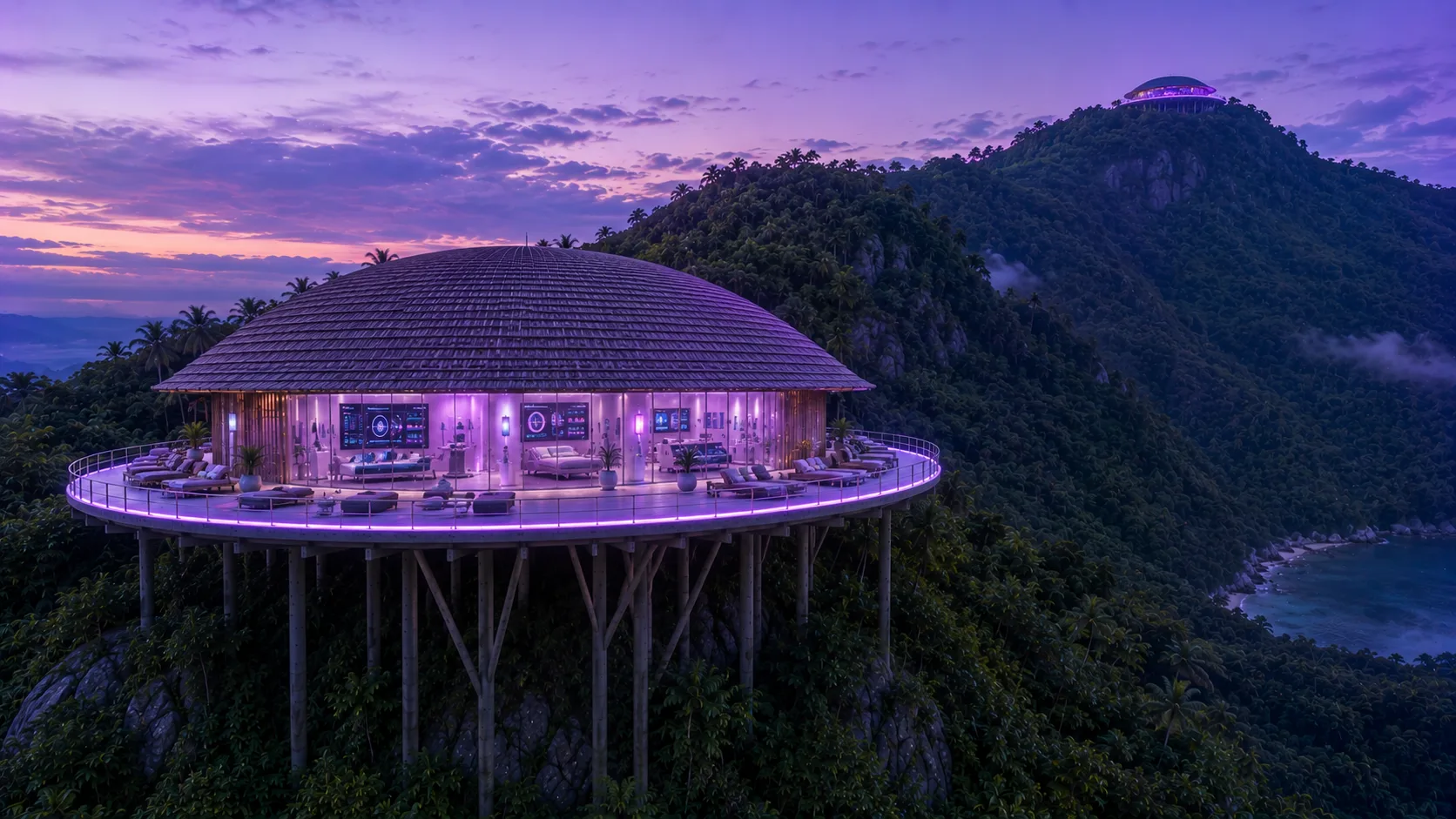
The biohacking sleep lab at villa 06 allows variants to be tested over 7–10 days with measurements of HRV, sleep stages and morning energy. Whatever works is moved into the long-term protocol.

What's included

  • Circadian analysis and light-exposure protocol
  • Bedroom temperature regime
  • Evening routine (warm shower, magnesium)
  • Dosed melatonin (if indicated)
  • Daily monitoring via Oura/Whoop

Indications

  • ·Chronic sleep disturbances
  • ·History of shift work
  • ·Jet lag after long-haul flights
  • ·Preventive optimisation

Contraindications

  • ·Severe sleep apnoea — apnoea treatment is required before optimisation
  • ·Active-phase psychiatric conditions

Team

Sleep coach, medical director

FAQ

Does the retreat help with insomnia?

If insomnia is driven by circadian disruption, stress or sleep hygiene — yes. If it is linked to depression or a pain syndrome, the underlying cause must be treated first.

How many hours of sleep are needed?

Individual, but for most people 7–9 hours. Quality (sleep stages, efficiency) matters more than absolute duration.