Introduction: the price of accuracy is radiation exposure
Myocardial perfusion scintigraphy (SPECT, single-photon emission computed tomography) with technetium-99m remained the workhorse for ischemia assessment for decades. The method provides a quantitative perfusion map, identifies areas of reduced blood flow, and helps determine whether revascularization is appropriate.
The price of accuracy is a radiation dose of ~12 mSv (millisieverts) per examination. This is equivalent to approximately 600 chest X-rays or four times the annual background radiation exposure. In a patient who undergoes repeated SPECT studies, the cumulative dose over a decade may reach 50–60 mSv, a statistically significant increase in oncologic risk.
This article explains what works instead of SPECT, which modality is indicated for whom, and what modern cardiac screening looks like in my practice.
🌀
The dose of one SPECT equals 600 chest X-rays
12 mSv for one test is not a “small scan.” It is the annual occupational background radiation limit for a healthcare worker accumulated in half an hour. Comparisons for perspective:
| Study | Dose |
|---|---|
| Chest X-ray | 0.02 mSv |
| Coronary calcium CT | 1 mSv |
| Myocardial SPECT | 12 mSv |
| Whole-body PET-CT (FDG) | 25 mSv |
▸1 chest X-ray — 0.02 mSv ▸1 chest CT (standard protocol) — 7 mSv ▸1 coronary calcium CT (CAC-score) — 1 mSv ▸1 myocardial SPECT — 12 mSv ▸1 whole-body PET-CT (FDG) — 25 mSv ▸Annual natural background — 2.4 mSv ▸Annual public dose limit (ICRP) — 1 mSv
The linear no-threshold model of radiation risk assumes that each additional mSv adds a small but measurable increase in lifetime oncologic risk. In younger patients and women, this risk is higher because of greater tissue radiosensitivity, especially breast tissue during chest imaging.
This is not a reason to never perform SPECT. It is a reason not to use it routinely when alternatives provide the same or more information.
🌀
Alternatives: what and for whom
1. CAC-score (coronary calcium) — for asymptomatic screening
Coronary calcium CT is a low-dose non-contrast cardiac CT. The radiation dose is ~1 mSv, 12 times lower than SPECT. It directly visualizes atherosclerotic plaque as calcifications in the coronary arteries.
▸Principle: atherosclerotic plaque calcifies during fibrotic stabilization. The more calcium there is in the coronary arteries, the greater the total atherosclerotic burden. ▸Agatston scale: - 0 units — no atherosclerosis, very low risk (10-year CHD risk <1%) - 1–10 — minimal - 11–100 — moderate - 101–400 — high - >400 — very high (event risk 10 times higher than baseline) ▸Prognostic value: in asymptomatic patients aged 40+, CAC-score outperforms traditional risk scales (Framingham, ASCVD). The MESA study showed that CAC = 0 reclassifies patients from “intermediate risk” to “low risk” with a 10-year risk <2%. ▸DETRANO 2008: CAC > 300 increases the risk of coronary events 9.7-fold compared with CAC = 0 (Detrano R, NEJM 2008, PMID 18367736[1]).
2. Stress echocardiography — for women and suspected ischemia
Cardiac ultrasound under physical or pharmacologic (dobutamine) stress. 0 mSv radiation. It detects regional ventricular wall motion abnormalities during induced ischemia.
▸Sensitivity 80–85%, specificity 84–86% — comparable to SPECT. ▸Especially valuable in women — no breast irradiation and no breast attenuation artifacts, which often reduce SPECT quality. ▸Dynamic assessment — shows the functional behavior of the myocardium in real time, not only a static perfusion map. ▸Additional parameters: global longitudinal strain (GLS), diastolic function, pulmonary artery pressure, valve status.
3. CMR (cardiac MRI) — the gold standard for viability
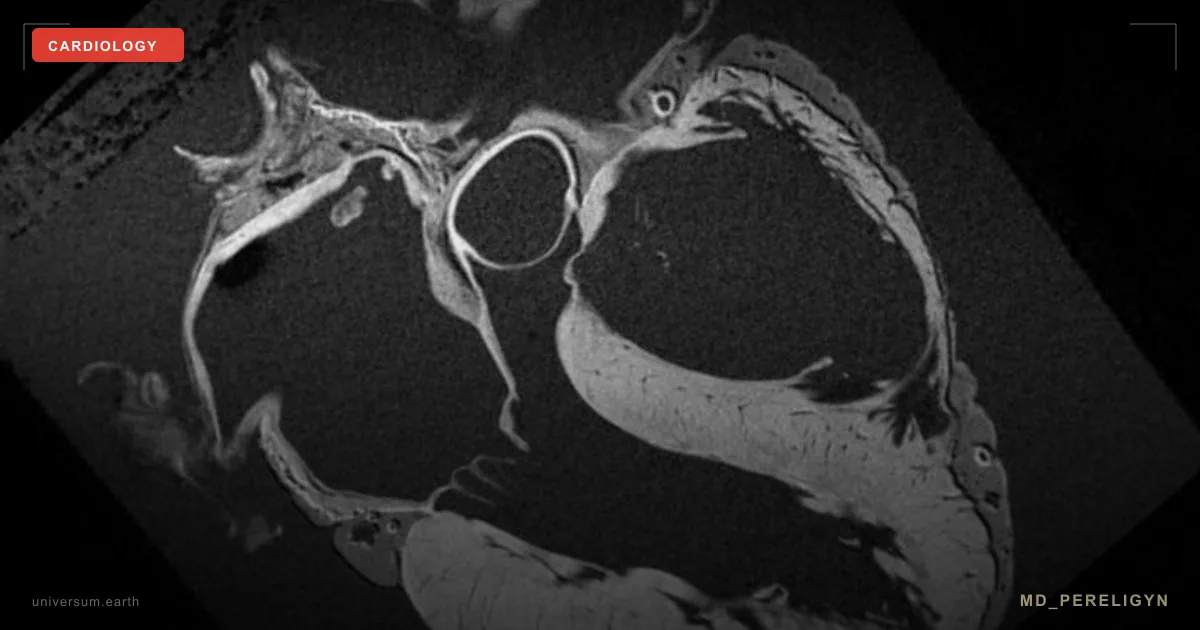
Cardiac magnetic resonance with a perfusion protocol and gadolinium contrast. 0 mSv ionizing radiation. Extremely high soft-tissue resolution.
▸Myocardial viability — late gadolinium enhancement (LGE) accurately distinguishes viable myocardium from scar. This is critical before deciding on revascularization: scar tissue does not respond to revascularization. ▸Subendocardial ischemia — CMR detects a thin layer of endocardial ischemia that SPECT cannot see. ▸T1/T2 mapping — quantitative assessment of edema, fibrosis, amyloidosis, and myocarditis. ▸Accurate ejection fraction — the gold standard, independent of Simpson geometric assumptions as in echocardiography.
4. HRV (heart rate variability) — functional screening of the autonomic nervous system
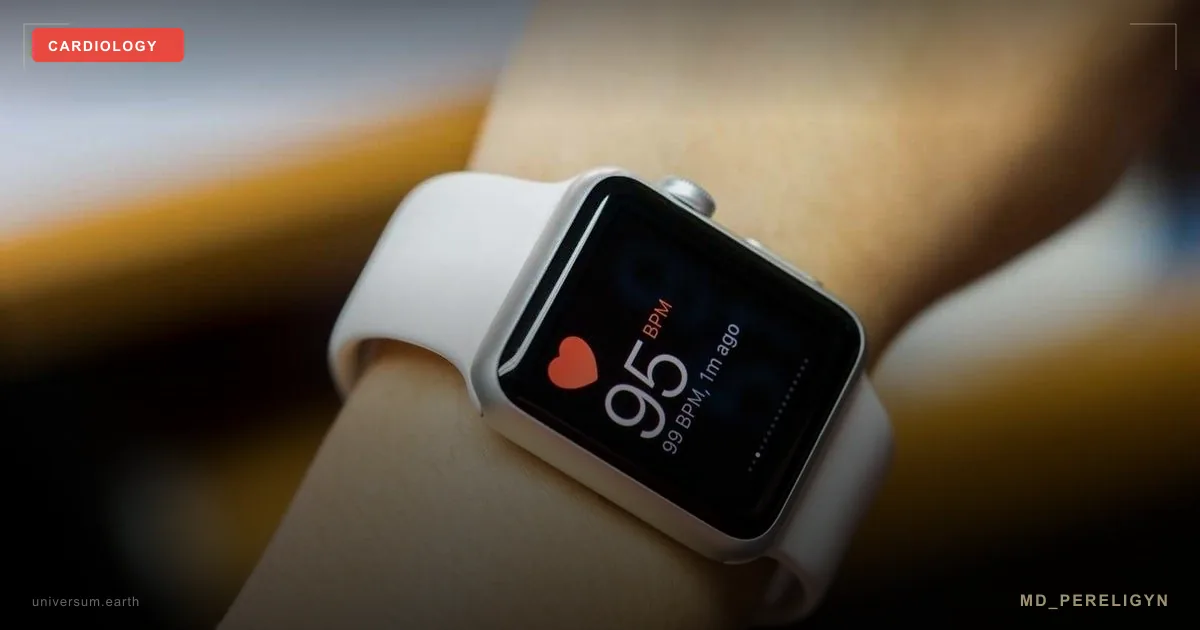
Heart rate variability is a measure of differences in R-R intervals between heartbeats. It reflects the balance between the sympathetic and parasympathetic nervous systems. 0 mSv, noninvasive, and available through any modern wearable ECG sensor (Polar H10, Apple Watch, Whoop, Oura).
▸RMSSD (root mean square of successive differences) — the main marker of parasympathetic tone. Normal range for adults is 20–60 ms. ▸SDNN (standard deviation of NN intervals) — overall variability over 24 hours. Normal >100 ms. ▸LF/HF ratio — the ratio of sympathetic to parasympathetic contribution. Normal 1.5–2.0. ▸Low HRV is associated with a twofold increase in the risk of sudden cardiac death in post-infarction patients (Tsuji H, Circulation 1996, PMID 8941112[2]). ▸A decrease in HRV often precedes clinical symptoms of coronary artery disease, chronic stress, and autonomic dysfunction in diabetes.
5. VO2max — the gold standard for cardiorespiratory fitness
Maximal oxygen uptake during incremental exercise (cycle ergometer or treadmill with gas analysis). Measured in mL/kg/min. It is a stronger prognostic marker than blood pressure, LDL-C, and smoking combined.
▸VO2max ≥35 mL/kg/min — low CVD risk ▸VO2max 25–34 — moderate risk ▸VO2max <20 — high CVD risk, with 5-fold higher mortality compared with the “elite” athlete group ▸Each 1 MET (3.5 mL/kg/min) increase in VO2max reduces mortality by 12% (Kodama S, JAMA 2009, PMID 19454641[3]).
6. FMD (flow-mediated dilation) — endothelial function
Brachial artery ultrasound before and after 5-minute cuff occlusion — measurement of reactive vessel dilation in response to hyperemia. 0 mSv, noninvasive, and the test takes 30 minutes.
▸FMD >7% — healthy endothelial function ▸FMD 4–7% — borderline ▸FMD <4% — pronounced endothelial dysfunction ▸Prognostic value: a 1% decrease in FMD increases the risk of cardiovascular events by 13%. ▸FMD responds to therapy (polyphenols, omega-3, L-arginine) within 8–12 weeks. This is the main objective marker of effectiveness for the holistic protocol.
🌀
Which test for whom: selection algorithm
▸Asymptomatic screening in patients aged 40+ with risk factors → CAC-score (1 mSv, direct plaque visualization, outperforms risk scales) ▸Clinical suspicion of ischemia, women → stress echocardiography (0 mSv, no breast irradiation) ▸Post-infarction viability assessment → CMR (0 mSv, gold-standard LGE) ▸Functional reserve and exercise strategy → VO2max ▸Effectiveness of the holistic protocol → FMD + omega-3 index + ApoB ▸Autonomic function, diabetic neuropathy → HRV (24-hour Holter or 7-day wearable sensor) ▸Suspected myocarditis, cardiomyopathy, amyloidosis → CMR ▸A request for SPECT is justified only when the first three options cannot be performed, for example because of contrast contraindications, poor ultrasound window, or unavailable CMR
🌀
What does NOT work, or works worse than it seems
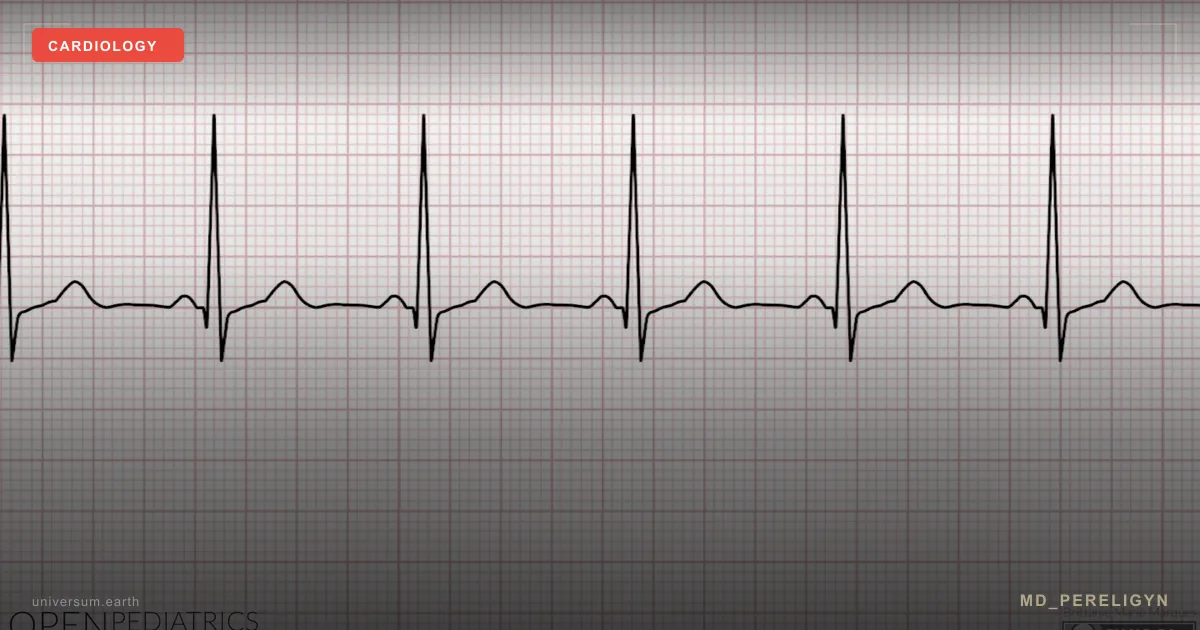
▸Standard resting ECG — detects ischemia only during an acute episode or after a prior myocardial infarction. Sensitivity for occult coronary artery disease is <30%. It does not replace any of the methods above. ▸Standard treadmill test (exercise ECG without imaging) — sensitivity 65–70%, specificity 70%. In women, false-positive results reach up to 50%. It is inferior to stress echocardiography across all parameters. ▸Coronary angiography “just in case” — an invasive procedure with a radiation dose of 5–7 mSv and risks including contrast-induced nephropathy, dissection, and bleeding. It is justified only when ischemia has been proven and revascularization is being considered. ▸Isolated CAC-score without assessment of inflammation and lipoproteins — provides the current plaque picture but does not show progression. CAC = 0 does not exclude vulnerable soft plaque. ▸Routine SPECT when alternatives are available — unjustified radiation exposure.
🌀
When to seek evaluation
▸Family history of coronary artery disease, myocardial infarction, or sudden death before age 60 ▸Age 40+ with any risk factor (hypertension, diabetes, smoking, visceral obesity) ▸Atypical chest pain or exertional dyspnea without an obvious cause ▸Before prescribing a statin for primary prevention ▸After “normal” standard screening when you feel that something is wrong ▸A desire to objectively assess the effect of a holistic protocol ▸Before high-risk noncardiac surgery
I perform comprehensive noninvasive cardiac screening (CAC-score, stress echocardiography, FMD, VO2max, HRV, extended lipid profile with ApoB and Lp(a)) and develop a personalized vascular risk reduction protocol without excessive radiation.
🌀
Conclusion
SPECT with technetium-99m is a technology of the 1990s. It remains useful in narrow clinical situations, but routine use for screening and risk stratification in 2026 is not justified.
Modern cardiac screening is built on a combination of CAC-score (1 mSv) + stress echocardiography (0 mSv) + CMR (0 mSv) + FMD + VO2max + HRV + extended lipid profile. This combination provides a more complete, earlier, and more prognostically accurate picture of vascular health than a single SPECT study with a dose of 12 mSv.
Radiation is the price paid when there is no alternative. A modern cardiologist almost always has an alternative.
🌀
Sources
▸Detrano R, Guerci AD, Carr JJ, et al. Coronary calcium as a predictor of coronary events in four racial or ethnic groups. NEJM 2008;358:1336–1345. PMID 18367736[1] ▸Tsuji H, Larson MG, Venditti FJ Jr, et al. Impact of reduced heart rate variability on risk for cardiac events: Framingham. Circulation 1996;94:2850–2855. PMID 8941112[2] ▸Kodama S, Saito K, Tanaka S, et al. Cardiorespiratory fitness as a quantitative predictor of all-cause mortality. JAMA 2009;301:2024–2035. PMID 19454641[3] ▸Ridker PM, Danielson E, Fonseca FA, et al. Rosuvastatin to prevent vascular events in men and women with elevated CRP. NEJM 2008;359:2195–2207. PMID 18997196[4]
Related articles: Endothelium: the foundation of vascular health, Cholesterol without statins.
🌀
FAQ
The cardiologist insists on SPECT. Should I agree? It depends on the clinical situation. If the indication is asymptomatic risk screening or assessment of ischemia probability with preserved function, it is reasonable to start with CAC-score (1 mSv) or stress echocardiography (0 mSv). SPECT is justified if these modalities are unavailable, produced an equivocal result, or are contraindicated. Discuss the specific rationale for 12 mSv of radiation exposure with your physician.
CAC-score = 0 — is this a complete guarantee of safety? No, but almost. CAC = 0 at age 40+ is associated with a 10-year coronary event risk <1%. However, CAC detects only calcified plaque. A young “soft” lipid plaque without calcification, typical of patients under 50 with familial hypercholesterolemia or high Lp(a), may not be reflected. In patients with Lp(a) >75 mg/dL, additional stress echocardiography or CCTA is justified.
How often should CAC-score be repeated? With CAC = 0 at age 40–55, repeat after 5 years, the so-called “warranty period.” With CAC 1–10, repeat after 3–4 years. With CAC >100, repeat testing is not needed; the diagnosis of atherosclerosis is established, and the focus shifts to aggressive control of risk factors. Each repeat adds 1 mSv of radiation exposure, so do not repeat it without clinical necessity.
Which is better for women: SPECT or stress echocardiography? Stress echocardiography. In women, SPECT often produces false-positive results because of breast tissue artifacts and smaller heart size. Stress echocardiography has comparable sensitivity (80–85%) and specificity (84–86%), requires no radiation, and does not irradiate breast tissue, which is a critical factor for women of reproductive age.
Can VO2max and HRV be measured at home? VO2max can be estimated approximately using Cooper tests, the 6-minute walk test, or heart-rate-based estimation formulas (Apple Watch, Garmin, and Polar provide an estimate). Accurate measurement requires laboratory gas analysis. HRV is available through any modern wearable sensor (Apple Watch, Oura, Whoop, Polar H10); home measurements are sufficient for screening. Clinical decisions require 24-hour Holter monitoring.
This article is informational and does not replace medical consultation. Before starting any nutraceuticals, changing medication therapy, or undergoing diagnostic procedures, discuss the plan with your treating physician.
Key facts
- SPECT with technetium-99m delivers ~12 mSv per study — equivalent to 600 chest X-rays.
- CAC-score is a low-dose CT ~1 mSv, 12x lower than SPECT; CAC >300 raises event risk 9.7-fold.
- Stress echo: sensitivity 80–85%, specificity 84–86%, 0 mSv — first-line choice for women.
- VO2max ≥35 mL/kg/min — low CVD risk; each 1 MET increase reduces mortality by 12%.
- FMD >7% healthy endothelium, <4% pronounced dysfunction; a 1% drop raises event risk by 13%.