Introduction: Prolactin and Dopamine — Hormonal Antagonism
In women, hyperprolactinemia is almost always about dopamine, not a pituitary tumor. This is the first and most important conceptual shift that changes the entire clinical picture. While the standard pathway often leads from a single lab result directly to MRI and cabergoline, the root cause in the vast majority of cases is neuroendocrine dysregulation, not structural pathology.
This article is an overview of mechanism, symptoms, diagnostics, and a step-by-step correction protocol based on current Endocrine Society guidelines and md_pereligyn clinical practice.
🌀
#Mechanism
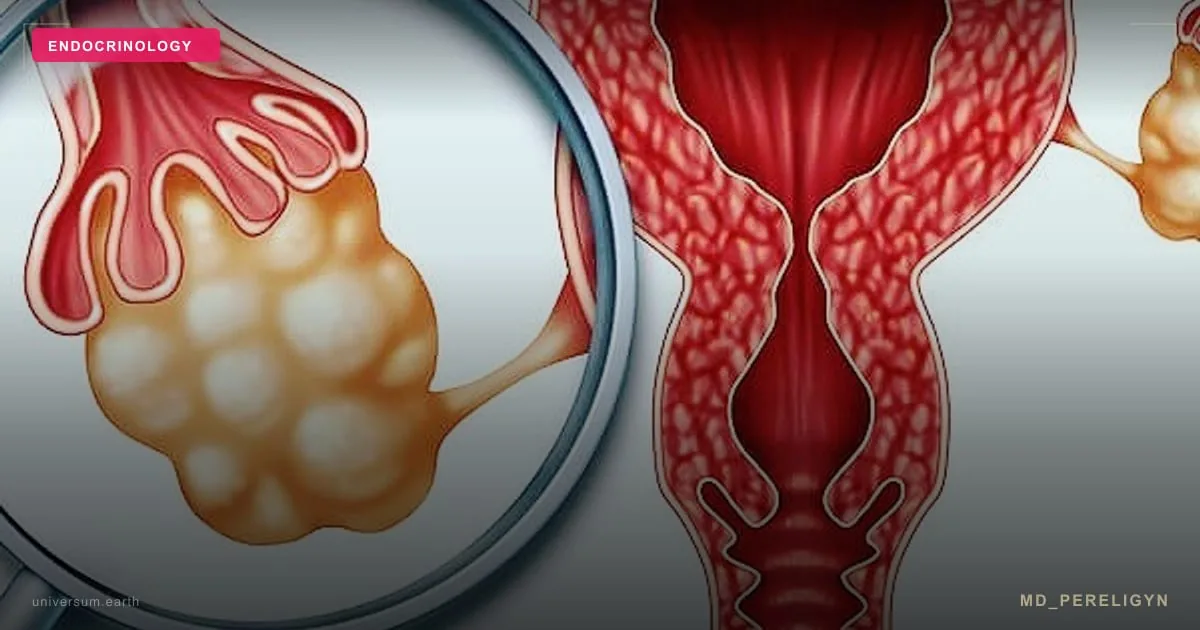
Hypothalamic dopamine travels via the tuberoinfundibular pathway to D2 receptors on anterior pituitary lactotrophs and tonically suppresses prolactin secretion. This is tonic inhibition: as long as dopamine is normal, prolactin stays within physiological range.
When dopamine drops, control is lost and prolactin rises. This is a key principle of neuroendocrinology: prolactin is the only pituitary hormone under predominantly inhibitory rather than stimulatory hypothalamic control.
🌀
#What_lowers_dopamine
▸Chronic stress — depletes tyrosine and catecholamines ▸Sleep deprivation less than 6 hours ▸B6, magnesium, zinc, iron deficiency — cofactors for DOPA → dopamine synthesis ▸Protein deficiency — low L-tyrosine, L-phenylalanine substrates ▸Subclinical hypothyroidism — low fT4 raises prolactin via TRH and dopamine dysregulation ▸Carbohydrate swings → insulin-induced hypoglycemia → stress response → dopamine suppression
This list explains why a default pharmacological approach (cabergoline first) fails long-term: the medication suppresses the consequence without addressing the cause.
🌀
#Symptoms_of_low_dopamine
When dopamine falls, body and psyche react predictably. These symptoms often appear months before overt hyperprolactinemia:
▸apathy, loss of motivation ▸craving for sweets and stimulants (coffee, nicotine, screens) ▸procrastination with bursts of activity ▸poor focus, low libido
If a woman simultaneously has irregular cycles, these symptoms warrant a prolactin check rather than dismissal as "burnout".
🌀
#Symptoms_of_hyperprolactinemia
▸cycle disruption, anovulation ▸galactorrhea (breast discharge outside lactation) ▸drop in progesterone and relative estrogen dominance ▸PMS, edema, migraine ▸bone resorption with prolonged duration (via estrogen suppression)
Key error: diagnosing PMS or migraine as standalone conditions without checking prolactin. In a significant proportion of women these are secondary phenomena of hyperprolactinemia.
🌀
#Network_effect
Dopamine does not work in isolation. When it drops, the entire neurotransmitter network reacts:
▸Serotonin compensatorily rises — outwardly calm, inwardly empty. Explains the "everything is fine but no joy" phenomenon ▸GABA fails without B6/Mg — increased anxiety, sleep-onset insomnia ▸Norepinephrine unstable → irritability, difficulty concentrating ▸Acetylcholine drops → memory lapses, "brain fog"
Treatment targeting only prolactin leaves this entire neurochemistry dysregulated. The correct strategy is to restore dopaminergic control, not suppress its substrate.
🌀
#Diagnostics
Step 1: Confirm the elevation is real.
▸Prolactin morning, fasting, no stress or breast palpation 12 h prior (physical breast stimulation and stress can elevate prolactin 2–3 fold) ▸Mandatory macroprolactin (PEG precipitation) — up to 25% of cases are immune complex with IgG, biologically inactive. This is a critical step many labs skip by default ▸Active monomeric fraction > 25% of total — this is real hyperprolactinemia requiring intervention
Step 2: Find the cause.
▸TSH, fT4 — rule out subclinical hypothyroidism (low fT4 → TRH ↑ → prolactin ↑). For more on thyroid diagnostic traps when prescribing OCPs and thyroxine "just in case" ▸Medication review: antipsychotics, metoclopramide, opioids, SSRIs, COCs — all can raise prolactin ▸Stress, sleep deprivation, exogenous estrogens ▸Pituitary MRI only with persistent prolactin > 50–100 ng/mL or compression symptoms (headaches, visual field defects)
| Prolactin | Action |
|---|---|
| monomeric fraction > 25% | real hyperprolactinemia |
| > 50–100 ng/mL | pituitary MRI |
| > 100 ng/mL | urgent referral |
🌀
#Six_step_correction_protocol
Lowering prolactin is not default cabergoline, but targeted action on the cause. Endocrine Society guideline (Melmed et al, PMID 21296991[1]) explicitly indicates: cabergoline is appropriate for prolactinoma or symptomatic idiopathic hyperprolactinemia. Isolated mild hyperprolactinemia from stress/hypothyroidism/deficiencies resolves with root correction.
Step 1: Confirm (macroprolactin!)
Without PEG precipitation, up to 25% of "hyperprolactinemias" are immune complexes requiring no treatment. Laboratory confirmation is the mandatory first step.
Step 2: Find the cause
Thyroid panel (TSH + fT4 + anti-TPO), medication history, stress/sleep assessment. Pituitary MRI only with objective indications.
Step 3: Support dopamine (nutraceuticals)
▸L-tyrosine 500–1000 mg morning — substrate for dopamine synthesis ▸B6 (P-5-P) 25–50 mg — DOPA-decarboxylase cofactor ▸Magnesium 300–400 mg + zinc 15–25 mg — enzyme cofactors ▸Omega-3 1–2 g DHA — neuronal membrane function ▸Protein 1.2–1.5 g/kg body weight — sufficient substrate
Step 4: Phytotherapy
▸Vitex agnus-castus 500–1000 mg morning for 2–3 months — lowers prolactin via D2-agonist diterpenes ▸Mucuna pruriens 200–400 mg — contains L-DOPA, direct dopamine precursor
Step 5: Lifestyle
▸Sleep 7–9 h, no shift work ▸Reduce caffeine and nicotine (short-term ↑ dopamine, long-term deplete receptors) ▸Stress management — chronic cortisol suppresses dopamine ▸Regular physical activity (upregulates D2 dopamine receptors)
Step 6: Recheck at 8–12 weeks
Follow-up labs: prolactin (macro + monomeric), TSH, fT4. If no improvement — review the cause (possibly undiagnosed microadenoma, missed medication factor, insufficient deficiency correction).
🌀
Principle
Treat the cause — do not suppress prolactin with cabergoline by default. Current clinical guidelines (Endocrine Society, 2011) explicitly limit pharmacotherapy indications: prolactinoma or symptomatic idiopathic hyperprolactinemia. In most women with mild hyperprolactinemia, root cause correction (stress, hypothyroidism, deficiencies) provides sustained reduction without long-term medication.
🌀
When urgent referral is needed
▸Prolactin persistently > 100 ng/mL with confirmed monomeric fraction ▸Pituitary compression symptoms: headaches, visual field defects ▸Galactorrhea + amenorrhea + infertility ▸Suspected macroadenoma on MRI
These cases require endocrinologist + neurosurgeon co-management, and cabergoline may be indicated as first-line therapy.
🌀
Conclusion
Hyperprolactinemia in women is almost always a signal of dopamine control dysfunction, not a prolactinoma. The correct path: confirm (macroprolactin), find the cause (thyroid panel, stress, deficiencies), restore dopamine (nutraceuticals + phytotherapy + lifestyle), reassess at 8–12 weeks.
Cabergoline is a powerful tool, but a second-line tool for most patients, not first. Understanding this changes clinical outcomes and quality of life.
---
References:
- Melmed et al. Diagnosis and Treatment of Hyperprolactinemia: An Endocrine Society Clinical Practice Guideline. PMID 21296991[1]
🌀
Differential diagnosis stratified by prolactin tier
Prolactin elevation has a wide etiologic spectrum, and the differential narrows sharply as the value rises. Treating every elevation as "stress and dopamine" misses pituitary, drug-induced and systemic causes that require specific management. The Endocrine Society clinical practice guideline groups causes by magnitude PMID: 21296991.
Pituitary MRI with gadolinium, focused on the sellar region with 2–3 mm slices, is indicated for any sustained elevation above 50 ng/mL after exclusion of drugs, hypothyroidism, renal disease and macroprolactin, or earlier when visual symptoms, headache or new-onset amenorrhea are present. TSH, creatinine, β-hCG and a medication review precede MRI in every workup.
References
- PMID: 21296991. PMID 21296991
Key facts
- Prolactin is the only pituitary hormone under predominantly inhibitory dopaminergic hypothalamic control.
- Hypothalamic dopamine tonically suppresses prolactin secretion via D2 receptors on pituitary lactotrophs.
- Dopamine is lowered by chronic stress, sleep <6 h, B6/magnesium/zinc/iron deficiency, low protein, hypothyroidism.
- Macroprolactin (PEG) is mandatory: up to 25% of cases are biologically inactive IgG immune complex.
- Cabergoline is second-line; mild hyperprolactinemia resolves by correcting the cause — stress, hypothyroidism, deficiencies.