Introduction: The Insomnia Epidemic
According to a systematic review in Sleep Medicine Reviews (2023), chronic insomnia affects 10-15% of adults in industrialized countries, while episodic sleep disturbances impact up to 35%. Chronic sleep deprivation (less than 6 hours) increases the risk of coronary heart disease by 48% (meta-analysis in the European Heart Journal, 2011), type 2 diabetes by 28%, and Alzheimer's disease by 68%.
Sleep neurobiology is determined by the balance between excitatory (glutamate, orexin, histamine) and inhibitory (GABA, adenosine) systems. Disruption of this balance is the key mechanism of insomnia.
Circadian Rhythms: The Suprachiasmatic Nucleus and Melatonin
The suprachiasmatic nucleus (SCN) of the hypothalamus serves as the body's master clock. The SCN receives light signals through the retinohypothalamic tract and synchronizes circadian rhythms with the 24-hour cycle. Melatonin, secreted by the pineal gland, is a chronobiotic hormone — it signals nighttime rather than directly inducing sleep.
Research in the Journal of Clinical Endocrinology & Metabolism (2019) showed that blue light (460-480 nm) suppresses melatonin secretion by 85% with 2 hours of pre-sleep exposure. Red and warm light (> 600 nm) has virtually no effect on melatonin.
GABA: The Brain's Primary Inhibitory Neurotransmitter
GABA is the main inhibitory neurotransmitter in the CNS, activating GABA-A and GABA-B receptors. Deficient GABAergic transmission is the central mechanism of hyperarousal in insomnia. A study in Sleep (2008) using magnetic resonance spectroscopy demonstrated that brain GABA levels in chronic insomnia patients are 30% lower than in healthy controls.
Oral GABA poorly crosses the blood-brain barrier. However, an RCT in the Journal of Clinical Neurology (2018) showed that 300 mg of GABA 60 minutes before bed significantly reduces sleep onset latency and improves subjective sleep quality. Biosynthetic GABA (PharmaGABA) demonstrates better efficacy than synthetic forms.
Glycine: 3 Grams Before Bed
Glycine is the simplest amino acid, functioning as an inhibitory neurotransmitter via glycine receptors in the brainstem and spinal cord. Bannai et al. (2012, Neuropsychopharmacology) demonstrated that 3 g of glycine before bed reduces next-day subjective fatigue and improves objective sleep quality measures on polysomnography.
Mechanism: glycine lowers core body temperature through peripheral vasodilation (NMDA receptor activation in the SCN). A 0.5-1 degree C drop in core temperature is a prerequisite for sleep initiation. Additionally, glycine modulates serotonergic transmission in the raphe nuclei.
Magnesium: Glycinate vs Threonate
Magnesium is a cofactor for over 300 enzymatic reactions and a natural NMDA receptor blocker that reduces neuronal excitability. A meta-analysis in BMC Complementary Medicine and Therapies (2021) confirmed that magnesium supplementation significantly improves subjective sleep quality in those with deficiency.
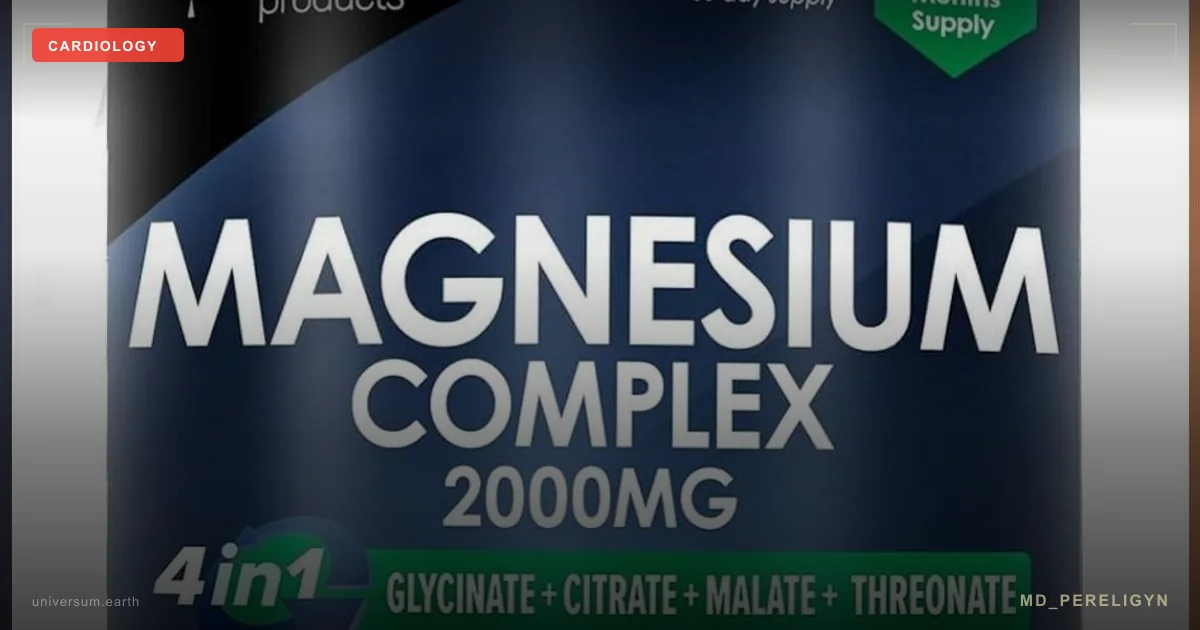
Magnesium glycinate is a chelated form with high bioavailability, combining the effects of magnesium and glycine. No laxative effect. Dosage: 200-400 mg elemental magnesium in the evening.
Magnesium L-threonate is the only form proven to increase brain magnesium levels (Slutsky et al., Neuron, 2010). It improves synaptic density in the hippocampus. Dosage: 2000 mg (144 mg elemental Mg) in the evening.
L-Theanine: Relaxation Without Sedation
L-theanine is an amino acid from green tea that increases alpha-wave activity (8-13 Hz) on EEG. Alpha rhythm is associated with calm wakefulness. A study in the Journal of Clinical Psychiatry (2019) showed that 200 mg of L-theanine before bed improves sleep quality in patients with generalized anxiety disorder.
Mechanism: L-theanine increases brain levels of GABA, serotonin, and dopamine while reducing glutamate. It does not cause daytime drowsiness.
Melatonin: Proper Timing and Dosage
Melatonin is most effective for circadian rhythm disorders (jet lag, shift work, delayed sleep phase syndrome) rather than classic insomnia. A meta-analysis of 19 RCTs in PLoS ONE (2013) showed that melatonin reduces sleep onset latency by an average of 7 minutes and increases total sleep time by 8 minutes.
CBT-I: Cognitive Behavioral Therapy for Insomnia
CBT-I is recognized by the American College of Physicians (ACP) as first-line therapy for chronic insomnia — above sleeping pills. A meta-analysis in the Annals of Internal Medicine (2015) showed that CBT-I effects persist for more than 12 months after treatment completion.
Sleep Restoration Protocol
Frequently Asked Questions
Can glycine and magnesium be taken together? Yes, they are synergistic. Magnesium glycinate already contains glycine in its molecule, but an additional 3 g of free glycine enhances the effect.
Does melatonin cause dependence? No, melatonin does not cause physical dependence. However, prolonged high-dose use may desensitize receptors. Use microdoses.
When should I see a doctor? If insomnia persists for more than 3 months, is accompanied by snoring and breathing pauses (apnea), or if daytime sleepiness impairs functioning — consult a sleep specialist.
Is L-theanine safe for daily use? Yes, L-theanine has GRAS (Generally Recognized as Safe) status from the FDA. Side effects are extremely rare.
This article is for educational purposes only and does not constitute medical advice. Always consult a qualified healthcare professional before starting any treatment protocol.
🌀
🌀
🌀
🌀
Key facts
- Chronic insomnia affects 10–15% of adults; sleep under 6 hours raises cardiovascular risk.
- Deficient GABAergic transmission is the central mechanism of hyperarousal in insomnia.
- Glycine 3 g before bed lowers core body temperature 0.5–1°C — a prerequisite for sleep onset.
- Magnesium glycinate 200–400 mg elemental; L-threonate 2000 mg raises brain magnesium.
- Melatonin microdoses 0.3–0.5 mg are more physiologic than 3–5 mg; CBT-I is first-line.